

ADVERTISEMENT
The new generation of employees knows what it wants and won’t settle for less. As iGaming companies face rising expectations for flexibility and purpose, Dean Muscat asks whether this so-called brain drain is really a shift in mindset – and what employers can do about it.
The Great Resignation. The Big Quit. Call it what you want – it was one of the most headline-grabbing job trends of recent years. After months of pandemic lockdowns, many workers found themselves freed from strict office hours and the ever-watchful eye of the boss, and got used to a more flexible way of working – one that fit around their lifestyles. And when offices reopened, millions decided they simply weren’t going back.
In August 2021 alone, 4.3 million Americans resigned – the highest single-month figure since records began in 2000, according to NPR.org, an American independent non-profit media organisation. Europe saw similar patterns in the first quarter of 2022, with resignations hitting roughly 2.7 per cent of the workforce – levels that European Data Journalism experts noted were on par with US peaks.
The surge has since cooled, with talk shifting from a Great Resignation to more of a Great Reshuffle. But the factors that many people cited for walking out, including burnout, lack of flexibility and uninspiring work, haven’t gone away. In fact, they’re now front and centre for Gen Z, the latest generation shaping the workplace.
In the iGaming sector – a notoriously competitive sector with a constant flux of employees – these shifts feel especially critical. As some local HR experts put it, the industry is so notorious for high employee turnover that you’ll find farewell parties every Friday at larger companies. So, are Gen Z’s demands fuelling a brain drain? Or are they pushing employers to reinvent their HR strategies and company cultures for the better?
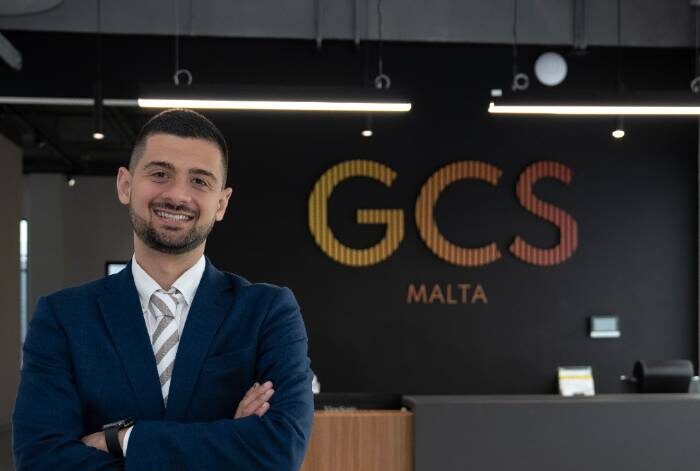
Reflecting on how Gen Z is approaching career choices, Emanuel Zammit, Recruitment Director at corporate and recruitment services provider GCS Malta, has seen the change firsthand: “We are experiencing a notable shift from previous generations, who tended to place more emphasis on traditional benefits such as private health insurance, structured career paths, social activities, and retail discounts. While these are still appreciated, they are no longer the key differentiators for Gen Z. For them, flexibility, mental well-being and meaningful work often take precedence over conventional perks.”
Many employers are struggling to catch up with these new expectations, and changing jobs has very much become the norm. As Mr Zammit points out: “Job-hopping every two to three years is widely accepted, especially in the absence of clear growth opportunities.”
Gen Z, he notes, wants learning that reflects their rhythm and lifestyle. “This generation wants flexible, personalised learning options that fit around their busy lives, and they expect training to be tech-savvy. Think bite-sized lessons, gamified modules and mobile-friendly content.”
And according to Mr Zammit, companies are responding — though the shift is uneven. “Many companies have made noticeable strides in promoting more flexible working arrangements and inclusive cultures.” Yet, he cautions that progress is far from complete: “Fully embedding these values into everyday practices remains a work in progress.”
So, perhaps the big takeaway is that iGaming is experiencing less of a brain drain and more of a brain shift, as Gen Z increasingly seeks out authentic, flexible and human workplaces. Employers that adapt are not only rewarded by retaining crucial talent and knowledge but also by harnessing a generation of purpose-driven leaders.
This interview first appeared in the iGaming Capital 2026 edition. For more information on the iGaming Capital 2026 edition or on www.iGamingCapital.mt, get in touch via email on info@contenthouse.mt or on +356 2132 0713. Additionally, readers can visit the iGaming Capital portal at www.iGamingCapital.mt to stay updated on the latest developments in Malta’s iGaming industry.


Continue Reading
Continue Reading

Catena Media restructures operations as profitability improves despite revenue dip
Restructuring reduced annual costs by between €4.5 million and €5 million


Expansion
Soft2Bet eyes Alberta market entry as Canada prepares new iGaming framework
Alberta is widely seen as one of the next major growth opportunities in North American iGaming

Expansion
Betsson to acquire Rhino Entertainment’s Canadian business in €64 million all-cash deal
Betsson is set to acquire the Canadian B2C business and its B2B technology assets
Expansion
Jump in revenue brings EBITDA back in the black for GiG Software
Q4 revenue reached €9.5 million, up from €8.8 million in the same period the previous year