



ADVERTISEMENT
Is machine intelligence hollowing out roles in iGaming, or is the industry seeing more of a restructuring and reskilling exercise, with new roles blending machine speed and human creativity? Ramona Depares checks in with the experts to delve into what benefits and risks this perceived disruption brings with it.
According to a 2024 report by learning platform Mentessa, some 1.1 billion jobs are expected to be “radically transformed” by AI technology within the next decade. The iGaming industry is perfectly poised for this transformation – tech-forward, always looking for the next innovation, and famously not scared of change.
And we’re already seeing a shift, as traditional roles like content writers are evolving into AI content editors, while design positions increasingly require proficiency in AI tools such as Midjourney. The fear, especially in an industry like gaming, has always been that AI will replace human functions, particularly in roles like customer service, risk analysis, content and design, and game development. But as the situation evolves, it looks more like existing roles will evolve while new ones emerge.
I spoke to Ian Castillo, CEO at ICON – a company specialising in digital transformation and software solutions for tech-forward industries like iGaming.
He says that AI roles are definitely evolving into permanent strategic positions, with workers having AI skills seeing high wage premiums. However, the roles are maturing fast. Early prompt engineers are becoming AI product managers who understand regulatory compliance, player psychology and business strategy, alongside having technical skills.
“Traditional execution roles are compressing, but new strategic roles are emerging. Junior analysts now focus on insight generation, rather than data gathering. We’re creating AI collaboration specialists who train systems, interpret outputs for leadership and develop AI-human workflows,” Mr Castillo states.
The result? The skills employers want are changing faster in AI-exposed jobs, and degree requirements are dropping.
“Adaptability and continuous learning matter more than traditional credentials. Smart companies are investing heavily in reskilling programmes. And companies treating these roles with a ‘wait and see’ approach will get left behind. You need to embed AI expertise deep into your operations, not bolt it on as an afterthought. It’s becoming core business infrastructure,” he adds, while noting that leaders who can’t evaluate AI opportunities or communicate with technical teams are missing massive value opportunities.
“It’s not the ability to code that’s important, but AI product sense – understanding what’s technically feasible, where AI creates value, and how to balance automation with human oversight. Of course, you also need a healthy dose of realism: knowing the limits of what’s currently possible, and the dangers of over-reliance.”
The winning combination, he believes, is traditional business acumen plus technical literacy. Leaders who invest time understanding AI’s practical applications make much smarter strategic decisions than those who delegate everything to tech teams.
And then, there’s the delicate balance between AI systems and human judgment to take into account. While AI thrives on data, human teams must still interpret nuance. Where does the CEO see the most fragile handoffs happening?
“Fraud detection. AI can predict fraudulent behaviour with fantastic accuracy and auto-block users, but its small error rate represents real players who might be wrongly flagged with sometimes serious consequences. Human reviewers can sometimes fall into the trap of over-reliance, blindly trusting AI recommendations. Or, if they’re sceptics, they will dismiss them entirely.”
He also views customer service escalations as another fragile point, noting that while AI handles routine queries well, players get frustrated when human agents lack context.
Meanwhile, a Harvard study conducted in 2025 about Generative AI and the Nature of Work has confirmed that artificial intelligence has already created more independent employees, eager to explore more efficient ways of working. The implications – both positive and negative – are significant. As task boundaries continue to blur and hierarchies flatten, the architecture of work responsibilities stands to be re-written, and industries like iGaming are expected to lead the way in the evolution.
This interview first appeared in the iGaming Capital 2026 edition. For more information on the iGaming Capital 2026 edition or on www.iGamingCapital.mt, get in touch via email on info@contenthouse.mt or on +356 2132 0713. Additionally, readers can visit the iGaming Capital portal at www.iGamingCapital.mt to stay updated on the latest developments in Malta’s iGaming industry.
Featured Image:
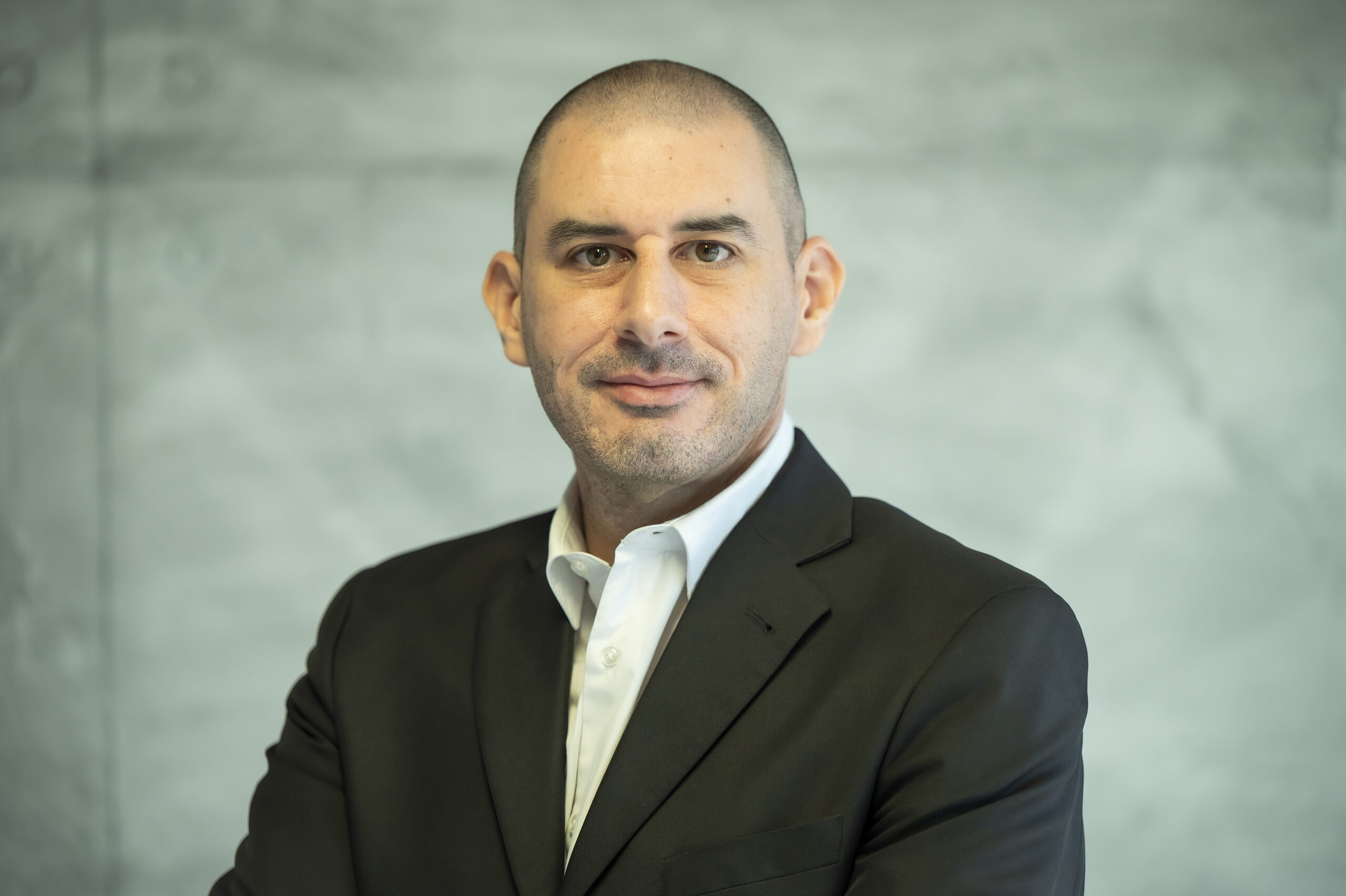
Ian Castillo / icon.com.mt



Continue Reading

Continue Reading

Dhalia Real Estate celebrates excellence at Annual Awards Night at The Phoenicia
Dhalia Real Estate is honouring the people, performances, and shared values that continue to shape the company’s success

Expansion
Betago forced into liquidation after MGA revokes licence
Court filings show Betago owed €85,000 in unpaid compliance and licensing fees to the MGA

Expansion
Booming Games names Luke Sammut to newly created CFO role
Founder Max Niehusen, said the new CFO’s experience ‘will be critical’ as the company expands operations

Expansion
SOFTSWISS hires its first Chief Artificial Intelligence Officer
Denis Romanovskiy takes over as CAIO after serving as Deputy Chief Technology Officer
Expansion
MediaTroopers appoints CTO Clinton Cutajar as Director of AdPlatform
'Taking on the additional role as Director of AdPlatform allows me to directly align technology, revenue, and growth strategy'