



ADVERTISEMENT
A debate is emerging within Europe’s gambling sector about whether the continent should move toward a coordinated “iGaming Interpol” capable of tackling the increasingly sophisticated illegal market. The discussion gained momentum after Michel Groothuizen, Chair of the Netherlands Gaming Authority (Kansspelautoriteit, KSA), publicly called for stronger cross-border collaboration as the Dutch market marks four years since the legalisation of online gambling.
The Malta Gaming Authority (MGA), asked whether such an initiative would make sense, did not say outright whether it believes Europe should form such a structure. Instead, it highlighted its ongoing commitment to structured cooperation, while maintaining the need for proportionate and balanced interventions.
“The Malta Gaming Authority is committed to strong regulatory cooperation to protect players and uphold market integrity,” the Authority said. “We work closely with European and international counterparts on responsible gambling, anti-money laundering, and other key areas, ensuring timely information-sharing and proportionate oversight.”
The MGA emphasised that it already participates in global fora and bilateral arrangements, collaborating in line with Malta’s public policy to address emerging risks while respecting national frameworks. It also noted that it takes “firm action against unauthorised activity within its remit and works with relevant authorities where necessary.”
As conversations around more ambitious forms of cross-border enforcement continue, the MGA warned that regulation must remain carefully calibrated. “Balanced regulation remains crucial: measures must protect players while ensuring the regulated market stays effective and resilient,” it said, adding that “proportionate, clearly scoped interventions and effective cooperation are key to reducing incentives for players to turn to unlicensed offerings.”
The MGA stated it “remains committed to promoting a robust, transparent, and effective regulatory environment – one that safeguards players while supporting a sustainable market.”
Mr Groothuizen’s comments, which prompted much of the current conversation, stem from the challenges the Netherlands is facing in curbing the illegal market. He said the original goals that guided the launch of the Dutch online gambling market remain unchanged: eliminating illegal supply and protecting players from the risks of addiction.
“The objectives of that time remain relevant today: curbing illegal supply and protecting players from the risks of addiction,” he said. He noted that explosive digitalisation, mobile technology, and the widespread adoption of smartphones have made these goals “more urgent, and certainly not easier to achieve,” adding that legislators “didn’t really equip us as regulators to handle this.”
He reflected on the evolution of advertising and player protection in the Netherlands, explaining that strict restrictions on advertising – including bans on role-model and untargeted advertising – have reshaped the market. Yet these measures come with complications. Mr Groothuizen explained the dilemma regulators face: “A total ban seems appealing, but it also has significant drawbacks, especially since it would primarily benefit the illegal market.”
While channelisation remains high at over 90 per cent, he warned that the actual flow of money paints a more worrying picture. This means that while the vast majority of players are choosing legal channels, there is a huge flow of money circulating in the black market.
“For the first time, it’s becoming clear that even more money is circulating in the illegal market than in the licensed sector.”
Pressure on the regulated sector has increased through deposit limits and rising gambling taxes, with further increases expected in 2026. Mr Groothuizen acknowledged that these developments “have undoubtedly diminished the attractiveness of the Dutch market for potential license holders,” and he noted that the upcoming licensing round will determine which operators remain committed. “I’ve repeatedly emphasised that good behaviour matters: anyone who hasn’t followed the rules in recent years must be able to explain themselves,” he said.
It is against this backdrop that Mr Groothuizen proposed deeper international coordination, raising the now widely quoted idea of a “gambling Interpol.” He believes fragmented national enforcement cannot address cross-market criminal activity.
“The solution lies not in separate enforcement by regulators in the various European countries, each of which has limited power, but in collaboration,” he said. “We must act collectively, like a kind of ‘gambling Interpol’.” He also argued that responsibility must extend beyond regulators. “Big tech and financial institutions also have a responsibility here: without visibility or payment options, the appeal of illegal sites ultimately disappears.”
The KSA Chair pointed out that illegal operators often operate across multiple jurisdictions and that regulators stand to gain strength by sharing intelligence.
“Of the 20 largest illegal parties in the United Kingdom, six also appear in the Dutch top 10,” he said. “Combining our and the British knowledge of these illegal providers makes us both stronger and hopefully more effective.” This stance underpinned a recent cooperation agreement between the KSA and the UK Gambling Commission, which he described as “just the beginning.” He acknowledged the scale of the challenge, saying, “It’s an uphill battle in any case, but only together do we have a chance of maintaining a healthy, safe, and fair online gambling market and preventing the illegal sector from winning the game.”
Across Europe, regulators agree that the illegal market is growing rapidly, and that no authority can combat it alone. But whether this cooperation will eventually formalise into something resembling a “gambling Interpol” remains to be seen.


Continue Reading
Continue Reading
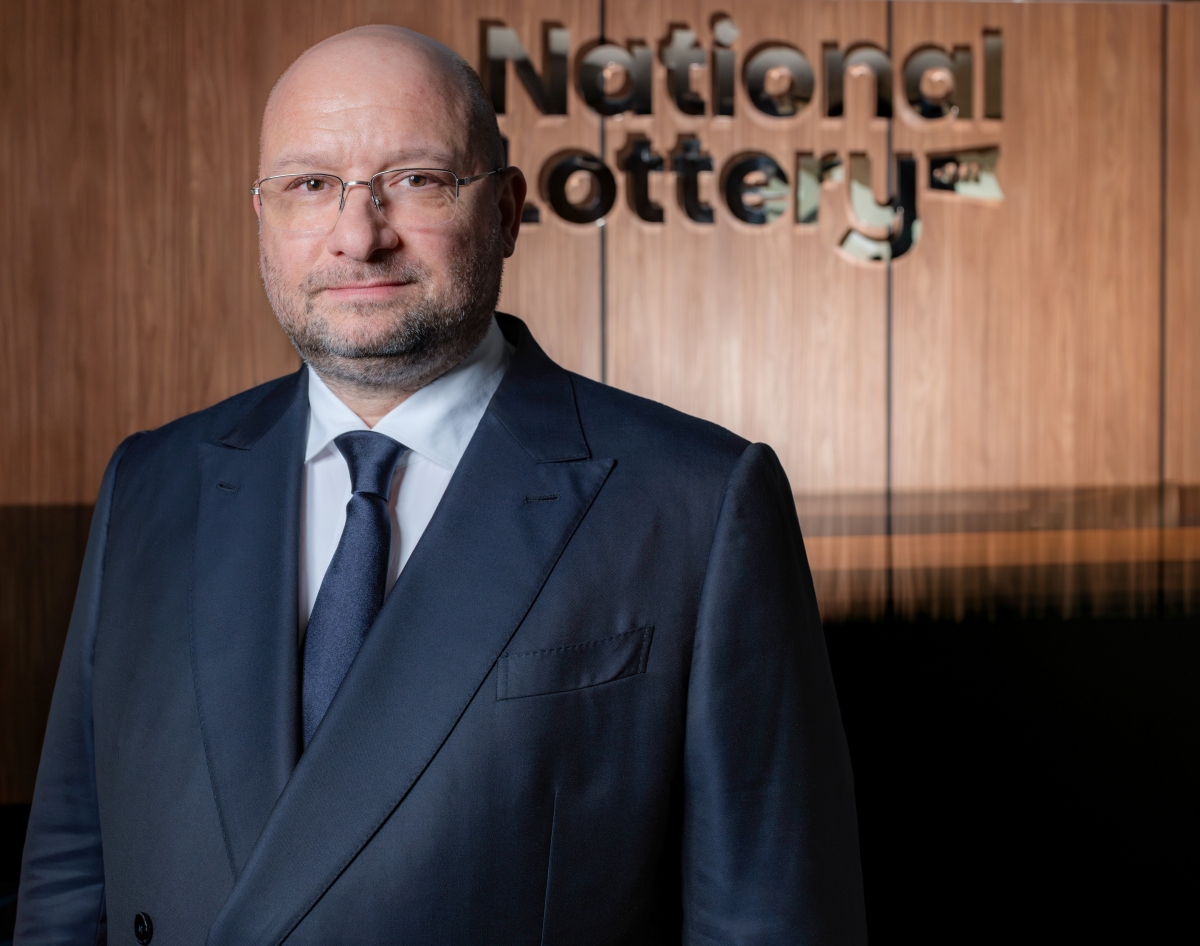
IZIGROUP: From market leadership to international ambition
Over recent years, IZIGROUP has been ‘methodically laying the groundwork for international growth,’ says Founder and CEO Johann Schembri
Expansion
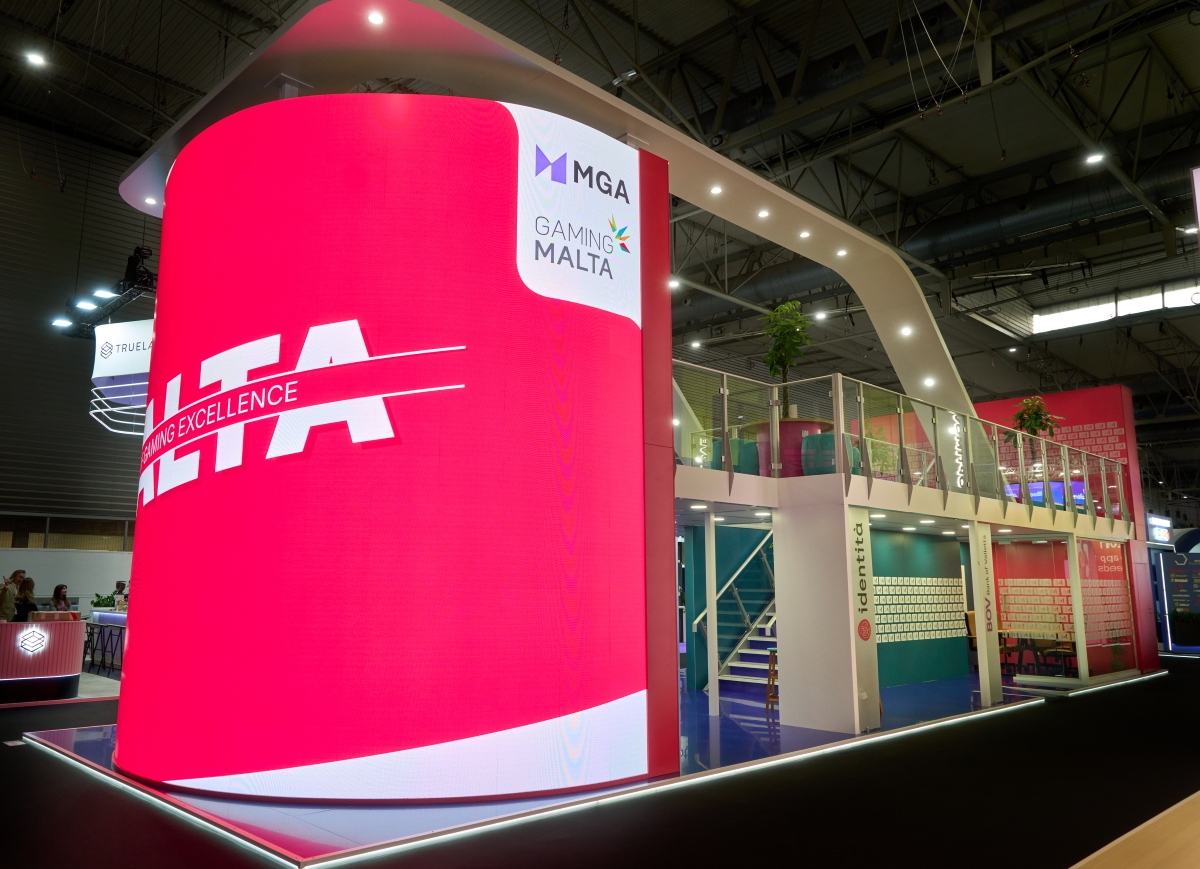
‘Malta’s unified presence at ICE Barcelona showcased institutional support and infrastructural strength’
GamingMalta CEO Ivan Filletti gives a glimpse of the behind-the-scenes work at one of the largest iGaming conferences
Expansion
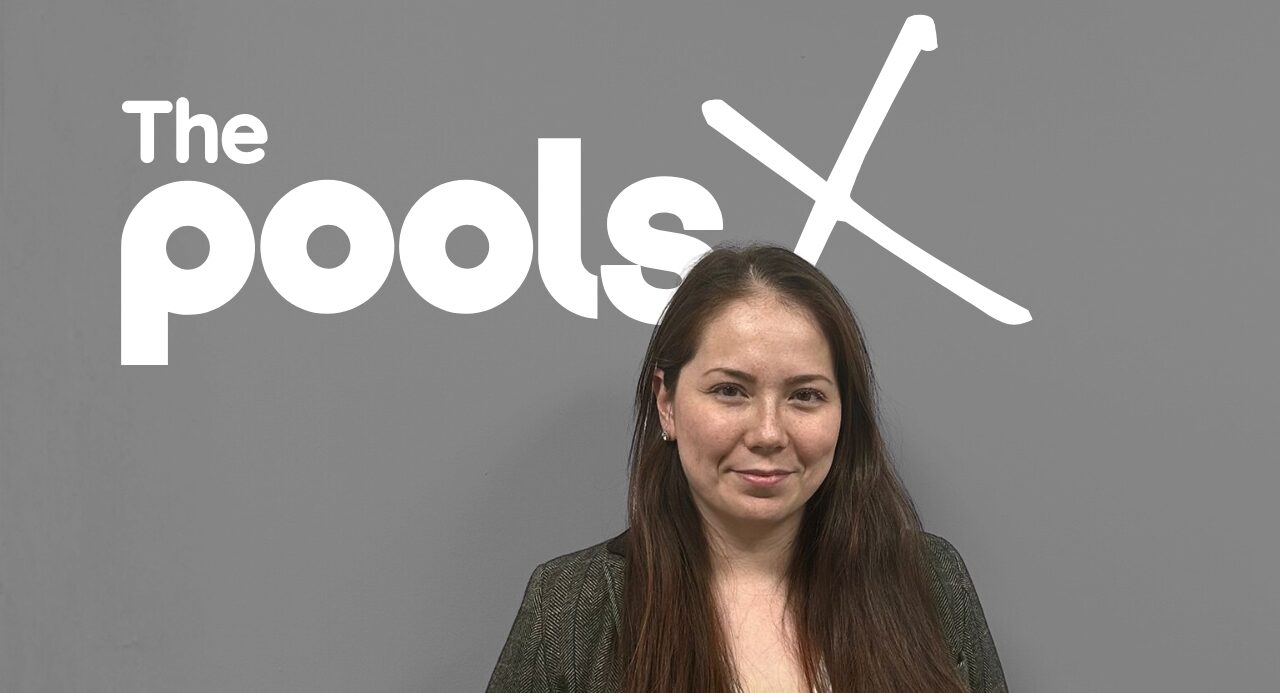
The Pools appoints Caroline Newman as Director of Regulatory Compliance
The appointment follows a series of senior hires at The Pools over the past year and a half
Expansion
Gamzix expands MGA footprint through Wildz Group partnership
The partnership was described as 'an important milestone' by Gamzix Head of Commercial James Davies
Expansion
Gaming experts shrug off European ruling’s impact on Malta’s Art. 56A: ‘No landmark at all’
Recent ruling by the European Court of Justice clarifies applicable law – but leaves Malta’s Article 56A untouched