


ADVERTISEMENT
Within the fast-paced, high-stakes world of online gaming, compliance has traditionally been seen as the brakes, not the engine. But in Malta, the epicentre of European iGaming, a profound shift is underway. Sarah Muscat Azzopardi explores how forward-thinking operators are transforming compliance from a defensive necessity into a potent offensive strategy.
For years, the word compliance landed with a thud in the boardrooms of companies within the iGaming industry. It was seen as a cost centre, a regulatory hurdle and an operational drag. But, more recently, change is afoot.
Bolstered by a robust regulatory environment, industry leaders are discovering that a proactive and deeply embedded approach to compliance is no longer just about ticking boxes – it’s about building the most valuable currencies in the digital age: trust, brand loyalty and long-term, sustainable growth.
PwC’s Global Compliance Survey 2025 reveals that the regulatory landscape is growing ever more complex, with 85 per cent of executives stating that compliance requirements have become more intricate in the last three years. This rising complexity, while challenging, is forcing companies to move beyond reactive, checklist-based approaches and adopt a more strategic, integrated mindset.
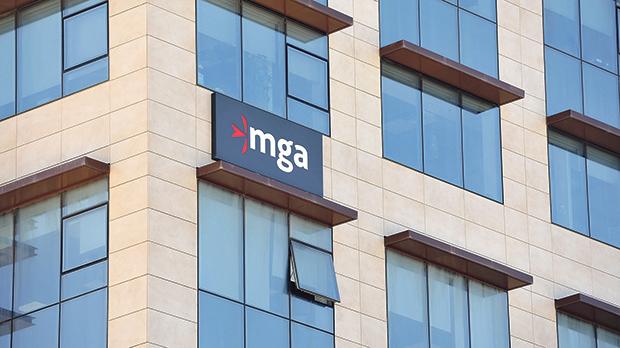
Nowhere is this dynamic more apparent than in Malta. Having cultivated a reputation as a premier iGaming hub, built upon a rigorous and respected regulatory framework overseen by the Malta Gaming Authority (MGA), this very framework, while stringent, has become a cornerstone of the jurisdiction’s competitive advantage.
Dorothea Cachia Micallef, Managing Director at Brainston Advisory, a firm providing expertise in taxation, corporate, accounting and residence in Malta, explains that for discerning companies, Malta’s reputation is a powerful draw. “Having a licence from a reputable jurisdiction like Malta gives them a significant advantage over competitors licensed in places with less stringent oversight,” she states. This attracts a certain calibre of operator – one that is looking to build a sustainable and trustworthy business for the long haul.
According to Ms Cachia Micallef, the true strategic pivot occurs when a company’s internal dialogue changes. The turning point, she says, is when you move from asking “what does the regulator require?” to “what do I need to do to protect myself and my company?” When you understand the ‘why’ behind the regulations, you see how they can actually help you.
This shift in mindset reframes compliance from an external imposition to an internal compass, guiding decisions and building what Ms Cachia Micallef calls “reputational equity”. She is pragmatic about the consequences, noting that while a strict approach might lose some potential clients looking for shortcuts, “it helps attract the right ones and builds a more sustainable business”.
PwC’s survey highlights that strategic investment in compliance technology is already helping companies move faster and navigate complexity. Key benefits realised from such investments include better visibility of risks (as cited by 64 per cent of respondents), faster identification of issues (53 per cent), and increased productivity and cost savings (43 per cent). This data transforms the perception of compliance spending from a sunken cost into a strategic investment with a clear return. As Ms Cachia Micallef puts it, building reputational equity is “a clear return on investment as it helps attract better partners, investors and clients”.
This cultural integration is also reflected in organisational structures. Ms Cachia Micallef has observed a “significant shift” in the role of governance teams. “A few years ago, thorough due diligence requests were sometimes met with resistance. Now, it’s a common language,” she says. “This suggests that governance has a more central and strategic role.” Companies are increasingly building their internal structures with compliance in mind, rather than treating it as an afterthought.
It would certainly appear that within the dynamic and fiercely competitive arena of Malta’s iGaming industry, the rules of the game are changing. The operators who thrive will be those who see compliance not as a shield, but as a sword. By strategically embracing regulation, they are building resilient businesses, fostering deep and meaningful relationships with their players, and proving that long-term success is built on a foundation of integrity.
This interview first appeared in the iGaming Capital 2026 edition. For more information on the iGaming Capital 2026 edition or on www.iGamingCapital.mt, get in touch via email on info@contenthouse.mt or on +356 2132 0713. Additionally, readers can visit the iGaming Capital portal at www.iGamingCapital.mt to stay updated on the latest developments in Malta’s iGaming industry.
Featured Image:
Dorothea Cachia Micallef / LinkedIn