


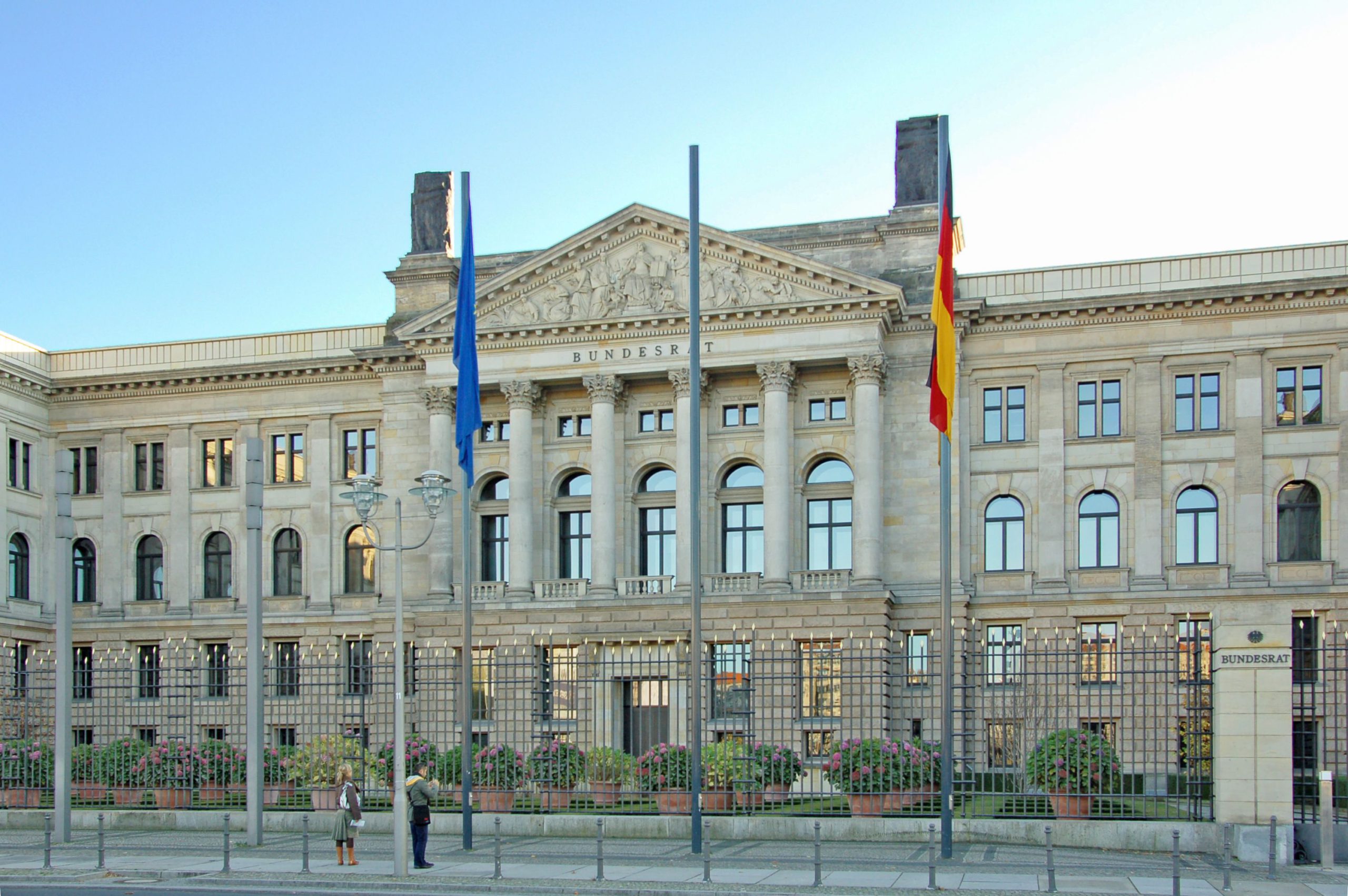
A study released by the Handelsblatt Research Institute (HRI) in Düsseldorf found that the latest gambling restrictions proposed by the German Bundesrat could encourage gamers to look to other countries as new taxes inflate the price to play.
The study claims that online gamers could be encouraged to play in unregulated markets and may diminish efforts made to protect players.
The amendment has already faced stiff opposition from the Düsseldorf Institute for Competition Economics (DICE) and has received a formal complaint from the European Gaming and Betting Association (EGBA), backed also by the German gambling industry body (ECO) claiming the 5.3 per cent tax proposal would breach state aid rules.
Commenting on how online players may be affected by these new proposals, president of the HRI, Dr Bert Rürup claimed that "players in online casinos react very sensitively to changes in gaming conditions”.
“This means that if the playing conditions on the online casino site they have been playing on change, for example, in the form of poorer chances of winning, lower betting limits or lower gaming speeds, over 40 per cent of online casino players would look for an offer in which the playing conditions have not deteriorated.”
Dr Rürup also remarked that in comparison to other European countries, the proposed new 5.3 per cent turnover tax is "extremely high" which would make "legal and licensed offers very unattractive".
ECO also claimed that under the planned system which aims to protect players by preventing them to play with multiple operators, the law may come into conflict with data protection legislation.
The Treaty will come into force in all federal states on 1st July and has already been approved in the state of North-Rhine Westphalia.
Featured Image: Wikimedia



Continue Reading

Continue Reading
FATF warns of emerging risks in gaming, publishes document to help regulators better spot abuse
The aim of the document is to help governments and regulators identify and respond to money laundering

partnership
Cyber risk has moved into the boardroom
Cybersecurity is now a question of governance, not just technology

partnership
Eeze expands Malta headquarters with new Quad Towers office
Eeze employs more than 800 people across Europe with over 600 based in Malta

partnership
Bet365 to cut 340 jobs across Malta, Gibraltar and UK in major restructuring
Bet365 said it is facing “a highly competitive trading environment” alongside increased regulatory and tax-related costs

partnership
Could your team recognise when someone is at risk of suicide?
ASIST training expands to Gozo, providing practical suicide-intervention skills that can strengthen workplace support structures