


Legal experts have offered a measured response to the recent Opinion by Nicholas Emiliou in Case C-683/24 (Spielerschutz Sigma), highlighting both its potential influence and its current limitations.
While the Opinion suggests that Article 56A of Malta’s Gaming Act may be incompatible with EU law, both lawyers tell iGamingCapital.mt that at this stage, the legal position remains unchanged and subject to further judicial determination.
A ‘legally paradoxical’ Opinion

Commenting on the significance of the Opinion, Lawyer and Partner at GTG Terence Cassar describes it as “somewhat legally paradoxical”.
He explains that, on one hand, the Advocate General adopts a strictly procedural position, arguing that the request for a preliminary ruling is inadmissible because it is not necessary to resolve the Austrian case, which centres on the diligence of legal advice rather than the validity of Article 56A.
On the other hand, he noted that the Advocate General still goes on to state that, should the Court take a different view on admissibility, it ought to find the provision “manifestly incompatible” with EU law.
“In doing so, he is effectively seeking to shape the broader legal debate on the interpretation of EU law, even in a case that he considers should not be entertained,” Dr Cassar said.

Lawyer and Partner at Fenech & Fenech Advocates Thomas Bugeja echoed the significance of the Opinion but stressed its non-binding nature, noting that Advocate General opinions are intended to assist the Court and may be followed, departed from, or bypassed entirely if the Court resolves the case on procedural grounds.
“The Opinion is undoubtedly significant and will be closely scrutinised,” he said, adding that it places Article 56A “under serious EU-law scrutiny”, but does not determine the outcome.
Limited immediate impact for operators
On the practical implications for Maltese-licensed operators, both lawyers struck a cautious tone.
“In practice, for now nothing really changes,” Dr Cassar said, pointing out that Article 56A remains valid under Maltese law and has not yet been ruled upon by the Court of Justice.
Dr Bugeja similarly emphasised that the legal position remains fluid, with key issues – including the application of the ‘public policy’ exception and its interaction with Article 56A – still being actively examined by Maltese courts.
He added that these matters will ultimately need to be assessed in light of EU law guidance, Maltese public policy considerations, and the specific facts of each case, including by the Court of Appeal (Superior).
“Until those proceedings are finally concluded, the legal position remains subject to judicial determination,” he said.
Diverging views on ‘public policy’ limits
While both lawyers acknowledged the Advocate General’s critical stance on Malta’s reliance on the ‘public policy’ exception, Dr Bugeja cautioned against interpreting the Opinion as a wholesale rejection of that principle.
Instead, he said the Opinion questions the manner and limits of its application, taking what he described as a “very narrow and restrictive view”, particularly when considered alongside recent case law.
Dr Cassar, for his part, highlighted the broader implications of the Advocate General’s reasoning, particularly in relation to how Member States justify deviations from EU rules on the recognition and enforcement of judgments.
Structural tensions in EU gambling regulation
Beyond the immediate case, Dr Cassar pointed to deeper structural issues within the EU’s regulatory framework for gambling.
“The sector remains unharmonised within EU law,” he said, noting that operators must navigate “highly fragmented national frameworks” that often result in conflicting legal interpretations.
He added that, despite the clear need for harmonisation, there is currently little concrete momentum at EU level, although recent proposals – such as those put forward by Victor Negrescu – could signal the early stages of broader reform.
These include the possibility of an EU-level levy on online gambling and a directive targeting illegal and unlicensed platforms, though significant divergence between national regimes remains a major obstacle.
Awaiting the Court’s final word
Both lawyers ultimately converge on one key point: the Advocate General’s Opinion, while influential, is only one step in an ongoing legal process.
With the Court of Justice yet to issue its judgment – and Maltese courts continuing to grapple with related proceedings – the future of Article 56A, and its compatibility with EU law, remains uncertain.
For now, the consensus is clear, as scrutiny is intensifying, but the status quo holds.
Featured Image:
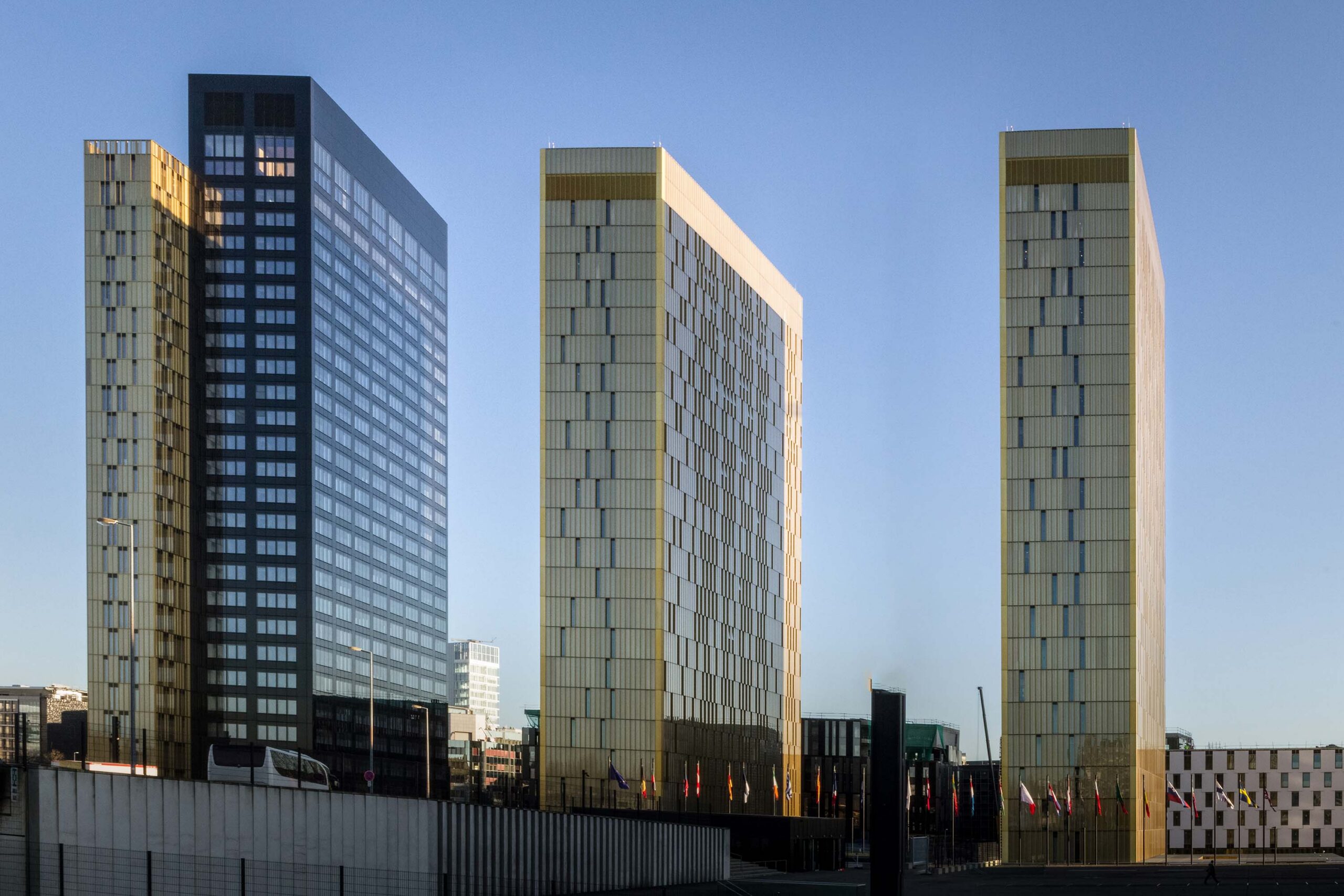
The three towers of the CJEU(from left to right): Rocca, Montesquieu and Comenius / © European Union 2020



Continue Reading

Continue Reading

Malta-based Bet365 operators lose appeal over Swedish gambling breaches
The case concerned the companies’ handling of customers showing signs of excessive or problematic gambling between 2019 and 2022
partnership
Dhalia Real Estate announces partnership with Sliema Wanderers FC for the 2026/27 season
The collaboration brings together two established Maltese names, each with a longstanding connection to the communities they serve

partnership
Malta-based KTO Group winds down operations following Brazil gaming ban
Founded in Malta in 2018, KTO entered the Brazilian market in 2019

partnership
Neil Chetcuti joins LCKY Group as General Counsel
Before joining Malta-based LCKY Group, Neil Chetcuti was Head of Legal at Sportingtech for over two years

partnership
Curaçao Gaming Regulator cuts ties with firm run by former MGA Chief following data breach
The regulator said licensing, compliance and supervision would continue under interim arrangements