



Since the establishment of the Malta Gaming Authority (MGA) in 2001, Malta has been at the forefront of gaming legislation in the world. Being a member of the European Union, Malta has taken full advantage of the freedom of movement of services that has been bestowed upon it.
Regulating both online and in-house gaming, the MGA was founded to regulate different sectors of the gambling industry by aiming to ensure fairness and transparency to players using Maltese gaming services and to prevent crimes such as fraud, corruption and money laundering, and to protect vulnerable and younger people from the dangers of gambling.
Malta hosts the complete gaming ecosystem. From back-end developers working in game production to live-streamed croupiers filmed by in-house video production teams, the island nation is very favourable to investors in the industry, not to mention the attractive climate and lifestyle offerings.
Malta's relationship with iGaming is one of a symbiose nature. Since welcoming the industry to the island, the gaming sector has grown substantially and continues to grow, hosting world-wide industry leaders such as Betsson, Greentube and GiG.
According to statistics released by the MGA for a period covering January to June 2020, 7,196 people are directly employed by the iGaming industry, up from 5,861 in 2017, which accounts for 2.87 per cent of Malta's total workforce. Of this workforce, the proportion of non-Maltese workers was 68 per cent, highlighting the need for foreign workers.
The number of new active player accounts that are registered in Malta is also on the rise, up from 4.78 million in 2017 to 7.5 million in 2020.
The MGA has issued licenses to 303 online gaming companies: 196 B2C gaming service licences, 111 B2B critical supply licences and 153 online casino licences.
The industry also contributes a significant proportion to the economy, with the MGA reporting that the gaming industry contributed 12.4 per cent to the gross value added (GVA) in the first half of 2020, when indirect effects were included.
Unlike the rest of Europe, where sports betting remains the weapon of choice for online gamers, casino, slots in particular, remains the most popular form of entertainment to customers visiting Malta-based companies.
Going forward, the MGA predicts that the gaming industry is one that promises continued positive growth. Historically, the gaming industry has been quite resilient to exogenous shocks but it has still been affected by the pandemic and BREXIT which may be apparent in later MGA reports.
The MGA claims that the Maltese government remains committed to reducing the financial burden on Malta-based gaming companies and aims to keep Malta as an attractive country to set up new businesses, innovate and invest.
Featured Image: Wikimedia

Continue Reading
Continue Reading
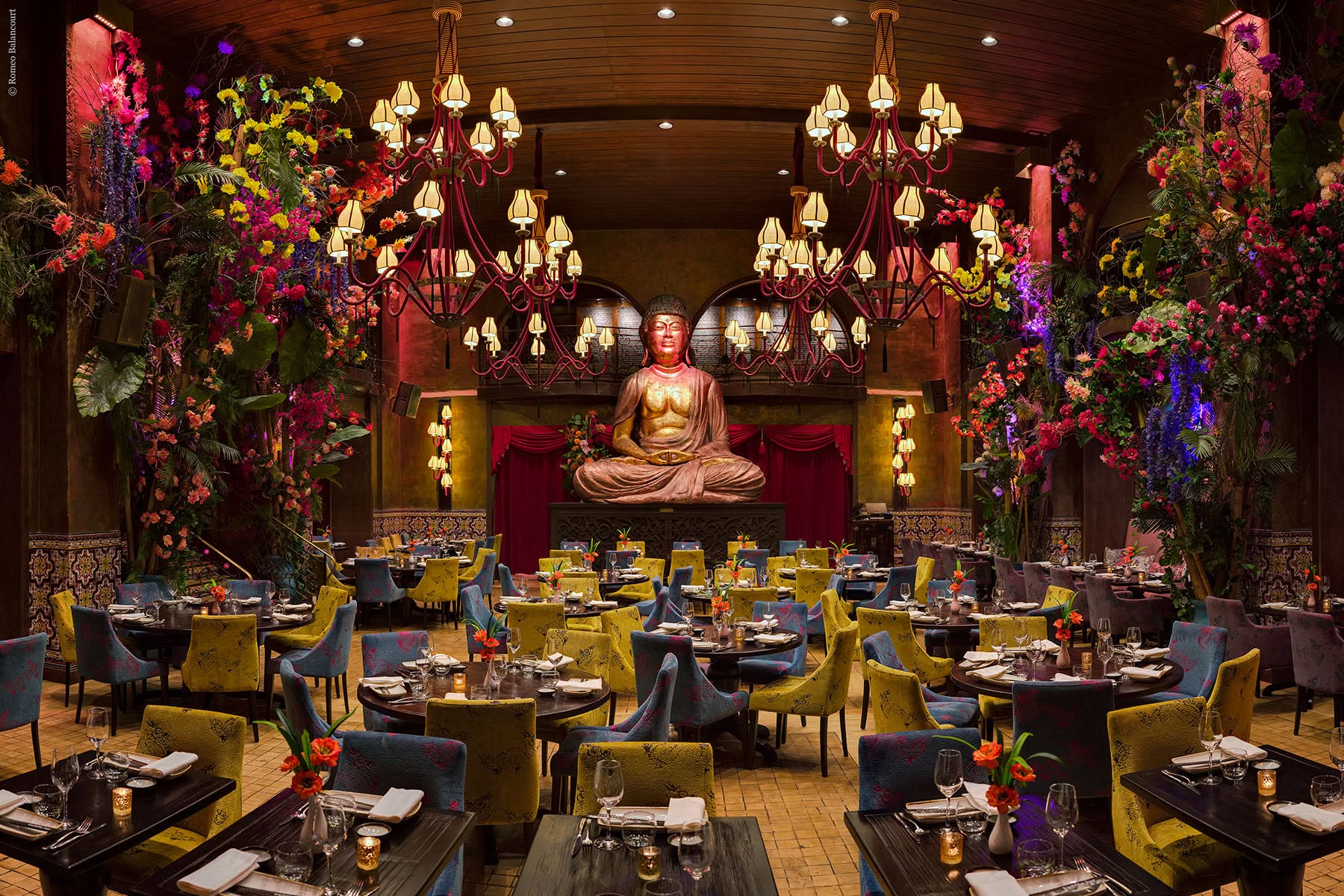
Buddha-Bar opening ‘a new chapter in Malta’s premium dining scene’
'A venue made for dinners that unfold slowly, cocktails that lead into conversation, and nights that feel considered from beginning to end'

partnership
MGA licence renewal ‘essential for continued growth,’ says Zitro Digital CEO Michael Bauer
The company said Malta remains one of Europe’s leading iGaming hubs

partnership
David Hopkins appointed Chief Transformation Officer at Yggdrasil
He joins Yggdrasil with experience from major global gaming organisations, including Flutter and Entain
partnership
MGA’s 2026 enforcement record: what the Winzon, Condor and Betago cases say about the Gaming Act’s sanctions
The MGA suspended Condor Malta in September 2026 after revoking Winzon's licence. What the Winzon, Condor and Betago cases reveal about Gaming Act sanctions

partnership
Malta-based Playson appoints Cosmin Tanase as Head of Compliance
Cosmin Tanase has secured the position on a permanent basis