


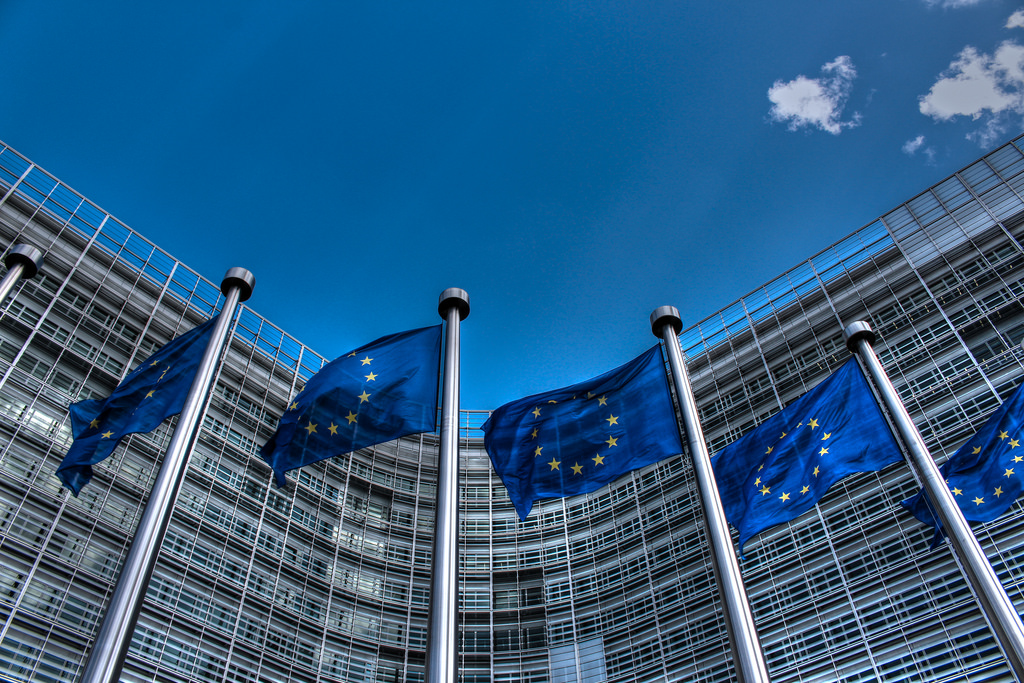
Gambling operators targeting EU markets – whether based within or outside the bloc – must brace for sweeping changes as the European Union’s digital regulation landscape evolves. Three recent legislative measures in particular – the European Accessibility Act (EAA), the Digital Services Act (DSA), and the Artificial Intelligence Act (AI Act) – carry implications that iGaming operators can no longer afford to ignore.
“These measures reflect a broader shift in EU policy that seeks to protect EU citizens, consumers and other stakeholders; improve digital accessibility; and govern the rapidly emerging technologies,” explain Ted Shapiro and Tamas Szigeti of law firm Wiggin LLP in a note on the implications of these legislative instruments on the online gambling sector.
Accessibility compliance as a market entry barrier
Coming into force on 28th June 2025, the EAA introduces mandatory digital accessibility requirements for services offered to EU consumers. Importantly, it applies regardless of where the operator is based, effectively becoming a market access requirement.
“In practice, it functions as a mandatory market entry requirement: if you want to do business in the EU, you need to comply,” say the authors.
While the core gameplay of a gambling service may fall outside its scope, e-commerce components such as websites, mobile apps, and payment portals are almost certainly included. These must meet standards of being perceivable, operable, understandable, and robust – though full harmonised guidelines are still in development.
With accessibility increasingly expected up the supply chain, even B2B providers may find themselves under compliance pressure.
DSA tightens oversight on content and ads
The Digital Services Act (DSA), already in effect, sets out tiered due diligence requirements for online intermediaries. Gambling sites with chat functions or social elements may be classified as “hosting services” or “online platforms,” triggering obligations like content moderation policies, user reporting tools, and transparency reporting.
The DSA also introduces new advertising transparency rules, requiring operators to clearly label ads in real time. A voluntary code of conduct, expected soon, will offer further guidance on how to comply.
Notably, the DSA applies to all operators targeting EU users where there is a “substantial connection” – regardless of whether the business is based in the EU.
AI Act: Accountability for AI-powered tools
The AI Act, adopted in 2024, sets out regulatory rules for AI systems and models used in the EU. While current exposure for iGaming may be limited, it is growing.
“Gambling businesses increasingly rely on AI to detect fraud, assess player risk, and personalise user experiences,” note Mr Shapiro and Mr Szigeti.
Operators using AI chatbots, or developing proprietary AI tools, must be especially vigilant. Under the new rules, any AI-enabled service made available to EU consumers must meet transparency and safety standards, with enforcement expected to ramp up.
Proactive compliance as competitive advantage
With enforcement likely to intensify across all three areas, gambling companies are advised to to act now. “Early preparation can offer a competitive edge, safeguard reputation, and help avoid future regulatory scrutiny.”
In conclusion, EU digital regulation is extending its extraterritorial reach – and iGaming operators ignoring it do so at their peril. From accessibility and content moderation to AI usage, the sector faces a new era of legal accountability.


Continue Reading

Continue Reading

Buddha-Bar opening ‘a new chapter in Malta’s premium dining scene’
'A venue made for dinners that unfold slowly, cocktails that lead into conversation, and nights that feel considered from beginning to end'

partnership
Malta showcases full strength of its gaming ecosystem at SBC Lisbon
Malta's key gaming stakeholders are coming together at a dedicated national booth at SBC Lisbon for the first time

partnership
Malta Game Developers Association officially launched at gamescom 2026
‘When it comes to interactive entertainment, Malta is open for business,’ said GamingMalta CEO Ivan Filletti

partnership
GamingMalta to showcase Malta’s iGaming ecosystem at SBC Summit 2026
Malta is a place where companies can build sustainable growth within an internationally connected community, said CEO Ivan Filletti

partnership
Allwyn UK appoints Phil Walker interim CEO as Andria Vidler steps down
Former William Hill and 888 executive to lead National Lottery operator during successor search, as Andria Vidler exits after overseeing UK national lottery licence transition