



A new ruling by the Court of Justice of the European Union (CJEU) is being seen by legal experts as another significant development in the ongoing battle over player claims against Malta-licensed gaming operators.
The case, known as Mr Green (C-198/24), focused on whether courts can consider both a company’s past actions and Malta’s controversial Article 56A when deciding whether to freeze assets through a European Account Preservation Order (EAPO).
In simple terms, the ruling means that courts in EU member states may be allowed to freeze bank accounts or assets belonging to gambling operators before a full enforcement battle takes place in Malta.
According to iGaming lawyer Antti Koivula, the judgment continues to weaken the practical effectiveness of Malta’s protective gambling legislation.
Writing on LinkedIn, he said the “key question is no longer only whether Malta can prevent the enforcement of a foreign judgment”.
“The more practical question now is whether the operator’s assets elsewhere in the EU can be frozen before the Malta issue even becomes relevant,” he explained.
He added that, for players, this could provide a stronger enforcement tool if an operator has bank accounts or payment flow assets elsewhere in the EU.
“For MGA licensed operators, this is obviously bad news and further increases enforcement risk,” Mr Koivula wrote.
Meanwhile, Maltese iGaming lawyer Terence Cassar described the judgment as “another important development in the ongoing saga surrounding online gambling player claims”.
He explained that the CJEU ruled that courts assessing whether there is urgency for a provisional freezing order may take into account:
- conduct by the debtor that happened several years earlier; and
- legislation in the debtor’s home country that could make recovery harder – specifically Malta’s Article 56A.
“The judgment is likely to have significant implications for cross-border enforcement strategies and player recovery actions within the EU,” Dr Cassar said.
The dispute began after an Austrian player sought to recover nearly €63,000 in gambling losses from Mr Green, arguing that the company did not hold the necessary Austrian gambling licence. Austrian courts ruled in the player’s favour and ordered the refund.
The player later requested a European Account Preservation Order targeting bank accounts held by the operator in Ireland, Luxembourg, Malta and Sweden.
A major issue in the proceedings was Malta’s Article 56A, introduced in 2023, which prevents Maltese courts from recognising or enforcing certain foreign gambling judgments against Malta-licensed operators.
The CJEU stopped short of declaring Article 56A invalid. However, the court ruled that national courts may consider the existence of such legislation when deciding whether there is a real risk that enforcement of a claim could become more difficult.
Importantly, the court also confirmed that older actions by a debtor – even from several years earlier – may still be relevant when assessing whether to grant an asset freezing order.
The ruling is expected to intensify debate around Malta’s gaming legislation and its compatibility with EU law, particularly as more cross-border player claims continue to emerge across Europe.


Continue Reading
Continue Reading
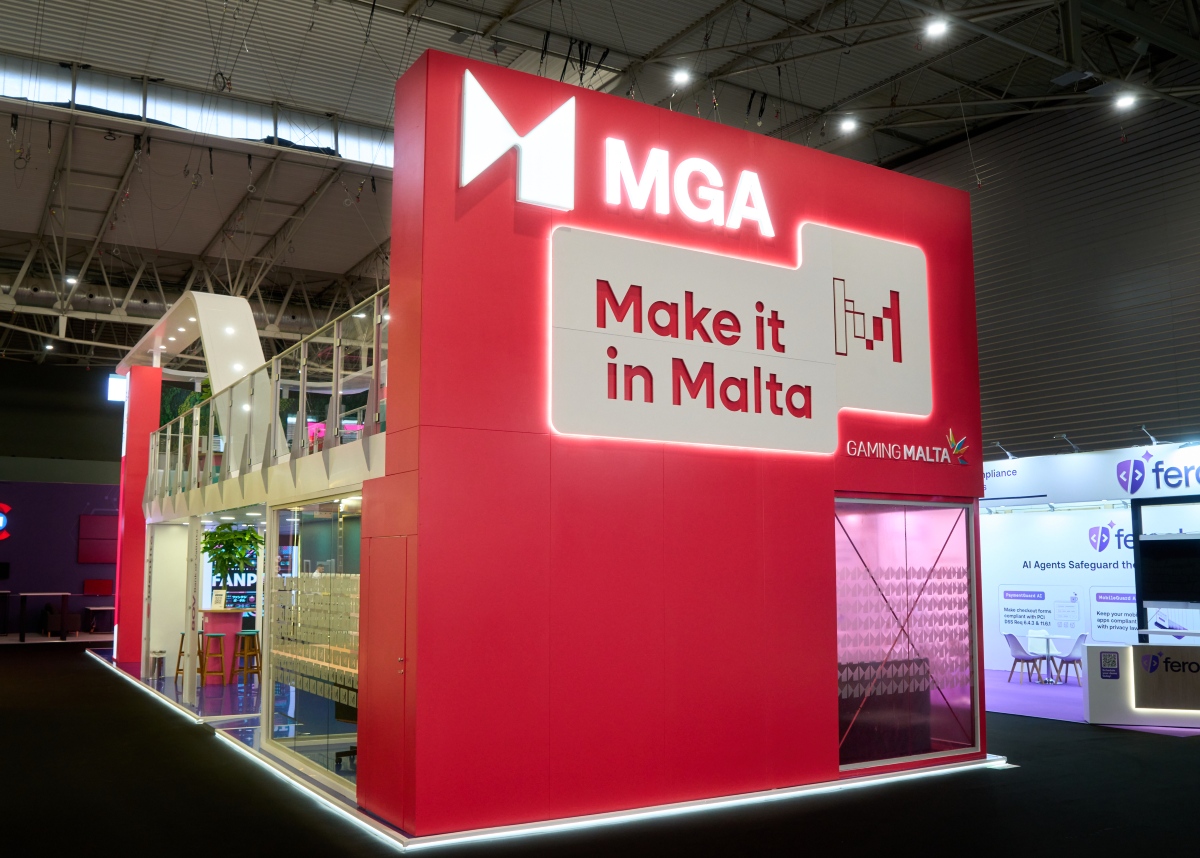
Malta showcases full strength of its gaming ecosystem at SBC Lisbon
Malta's key gaming stakeholders are coming together at a dedicated national booth at SBC Lisbon for the first time

partnership
Malta Game Developers Association officially launched at gamescom 2026
‘When it comes to interactive entertainment, Malta is open for business,’ said GamingMalta CEO Ivan Filletti

partnership
GamingMalta to showcase Malta’s iGaming ecosystem at SBC Summit 2026
Malta is a place where companies can build sustainable growth within an internationally connected community, said CEO Ivan Filletti

partnership
Allwyn UK appoints Phil Walker interim CEO as Andria Vidler steps down
Former William Hill and 888 executive to lead National Lottery operator during successor search, as Andria Vidler exits after overseeing UK national lottery licence transition
partnership
Catena Media posts €9.5m Q2 revenue as it looks beyond organic search
Revenue fell by 1% when compared to last year