



During 2020 the number of people employed full time in Malta's iGaming industry fell by almost 600, according to figures collated by JobsPlus and published by the Finance Ministry.

However, this drop – which saw full time employees hit 8,051 – is not due to an economic slowdown, according to the Ministry, but can rather be credited to a number of mergers and acquisitions, "that are quite prevalent in this sector."
This figure is also a "general reminder," that despite its success, the iGaming industry remains "highly volatile" and thus that it is important to continue innovating with "new regulatory practices and a renewed vision," the ministry explained.
The revelations come as part of the Government's National Employment Policy, released on Tuesday morning, which provides a strategy for the country's workforce until 2030, and also discussed the outlook of the sector.
The nation's lucrative iGaming industry is facing 'reputational issues' and problems relating to its supporting infrastructure, which is "at times inadequate," according to the Finance Ministry.
It did not specify what reputational issues the iGaming sector in particular is facing.
The Ministry includes the issues amongst a list of challenges facing the iGaming sector, also noting compliance and KYC (know your customer) problems, and multi-licensing requirements as straining companies in the industry.
In terms of employment, it also details a number of problems, such as a lack of home-grown skilled resources, competitiveness issues due to increasing wages and rising costs, educational courses that are not yet aligned with industry requirements, and a reliance on non-Maltese workers for specific skills and International c-suite experience.
A number of opportunities were also identified, including the growth of new niche sectors such as esports, technology development, the opening of new markets (such as Africa), and the presence of a number of incentives and schemes focusing on training and attracting highly qualified people.
In the future, the document predicts that new areas such as esports will grow to "dominate," that new markets such as Latin America (LATAM) and Africa will launch, and that an enhanced use of technology will also continue.


Continue Reading

Continue Reading

Owen Baldacchino joins Flutter Entertainment as Head of AML and MLRO
Owen Baldacchino said that this role ‘feels like a pivotal step’ in his career
partnership
Patrick Curmi joins Eeze as Head of Information Technology
In his new role, he will lead the corporate IT and Enterprise Network Engineering teams across Malta, London and Bucharest

partnership
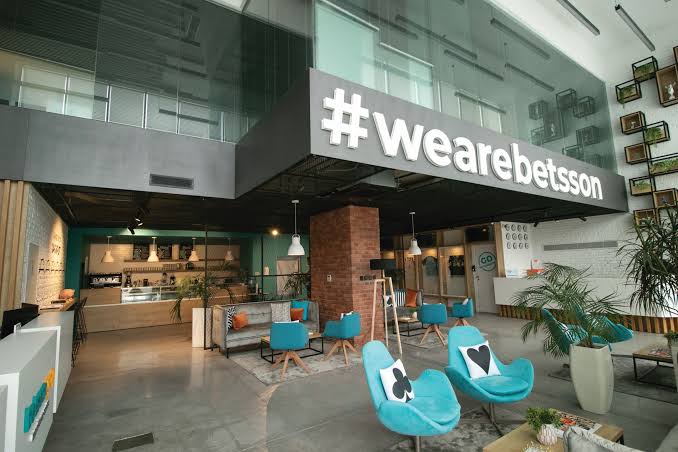
Costas Fitsopoulos joins Betsson Group as Director of HR Operations and Services
‘I look forward to building strong partnerships and helping shape the nest chapter’, he wrote
partnership
Betsson launches in Belgium following betFIRST rebrand
The launch follows the Malta-based Betsson’s expansion across a number of international markets

partnership
Malta-based Dilanti Media appoints Daniel Prado as Chief Executive Officer
Dilanti Media Founder and CEO Johan Styren transitions into the role of Chairman