


Malta’s role is undergoing a process of strategic repositioning, the Malta Gaming Authority outlined in its annual report for the year 2025, adding that there is clear momentum toward business-to-business (B2B) services.
Over the course of 2025, the authority received 38 new gaming applications, with the majority (24) being for B2B authorisations. Of the 19 new licences issued during the year, 12 were B2B.
“Licence renewal activity reflected a similar pattern: four of the ten renewal applications submitted in 2025 related to existing B2B licences, and four of the eight licences renewed during this period were also B2B.”
The gaming sector in Malta continued to increase its Gross Value Added, with the sector having generated an estimated €1.42 billion in Gross Value Added in 2025, accounting for approximately 6.3 per cent of Malta’s overall economic output. This figure is up from €1.37 billion in 2024.
“When the wider spillover effects across the economy are taken into account, the sector’s total impact on value added increases to an estimated 8.2 per cent.”
The authority said that against a backdrop of global transformation, it is actively steering the sector towards new areas of opportunity. “This includes facilitating emerging business models, strengthening Malta’s role within the international B2B landscape, and enhancing the overall agility of the regulatory framework.”

It underlined the sustained growth of the B2B segment, noting that the total number of B2B licences increased year on year from 68 in 2018 to 171 in 2025.
By the end of December 2025, the MGA had 302 licensed companies, including online and land-based, holding a total of 311 gaming licences. These numbers are lower than in 2024, when there were 315 licensed companies with 323 licenses.
“The gradual reduction in the number of entities and licences is consistent with an industry that is transitioning towards a more mature phase and that is undergoing strategic consolidation. Against a more demanding and increasingly complex global regulatory backdrop, operators are placing greater emphasis on sustainable business models, aligning their licensing strategies across multiple jurisdictions and restructuring in line with wider commercial and compliance priorities.,” the MGA explained.
During 2025, the Authority collected €82.4 million in compliance contributions, licence fees, levies, and consumption tax.
As of December 2025, an estimated 950 employees were working directly with land-based gaming establishments licensed by the MGA.
“Additionally, 10,115 employees were engaged with online MGA operators to work on activities covered by the Authority’s licence, while another 3,974 were working with online MGA licensees on activities licensed by other jurisdictions or providing services to MGA-licensed firms through associated/related companies. In total, as at the end of 2025 the number of employees working in Malta with MGA-licensed operators is estimated to be approximately 15,039 individuals. This represents a 4.8 per cent increase in full-time equivalent employees compared to the end of 2024.”
It said that total employment directly or indirectly tied to the gaming sector in 2025 was estimated at 19,150 employees, representing around 6.5 per cent of the workforce.
Turning to the outlook of the sector, the authority said that the regulatory environment – particularly in Europe – has entered a phase of structural transformation.
“A growing number of jurisdictions are adopting point-of-consumption models, requiring operators to obtain local licences to access national markets. This evolution, reinforced by broader EU frameworks such as anti money laundering rules, the Digital Services Act, and emerging AI regulation, reflects a wider policy shift toward locally anchored supervision.”
It said that operators are progressively adopting multi-jurisdictional licensing strategies and more flexible operational models. “For Malta, this represents an opportunity to anticipate and respond to a more complex regulatory landscape by refining its value proposition and aligning its framework with emerging international practices.”
The authority said that in Malta, operators’ expectations for 2025 and 2026 indicate a stable and steadily expanding sector, with revenue growth largely concentrated within the up to ten per cent range, “reflecting sustained confidence within a more mature market environment. While performance expectations vary across operators, this diversity highlights opportunities for strategic repositioning and innovation across different business models.”
While employment prospects remain positive, it said, increases in operational costs, particularly in technology, compliance, marketing as well as odds and risk compiling services, “reflect a more complex and competitive operating landscape.”
It said that regulatory requirements and rising operational demands are driving higher cost structures.
It is within this evolving context that Malta’s role is undergoing a process of strategic repositioning. There is clear momentum toward business-to-business (B2B) services, which now account for a growing share of regulatory activity and demonstrate strong resilience in a fragmented environment.” These activities – spanning platforms, infrastructure, and compliance services – offer a stable foundation for continued economic contribution, it said.
The authority mentioned that Malta benefits from a well-established reputation for regulatory credibility, a mature ecosystem of specialised services, and access to skilled, multilingual human capital. It said that evolving cost structures, labour market conditions, and quality-of life considerations highlight areas where continued policy attention is warranted.
It added that the transition from a licence-driven to an ecosystem and service-driven model, supported by proactive regulatory evolution, underpins a trajectory of continued growth.
In terms of activity, in 2025 the authority received 38 applications for new gaming licences and issued 19 licences. It also received a further 10 gaming licence renewal applications from operators to renew their gaming licence which was bound to expire during the twelve-month period of 2025, and issued eight licence renewals.
It also issued 2,043 permits for non-profit tombola, 22 permits for non-profit lottery and 118 certificates for commercial communication games.
In terms of enforcement actions, the authority issued a total of 35 cease and desist letters, 22 warnings and 30 administrative penalties amounting to €162,520. “We also suspended one licence and cancelled two,” it said.



Continue Reading
Continue Reading
Malta-based Bet365 operators lose appeal over Swedish gambling breaches
The case concerned the companies’ handling of customers showing signs of excessive or problematic gambling between 2019 and 2022
partnership
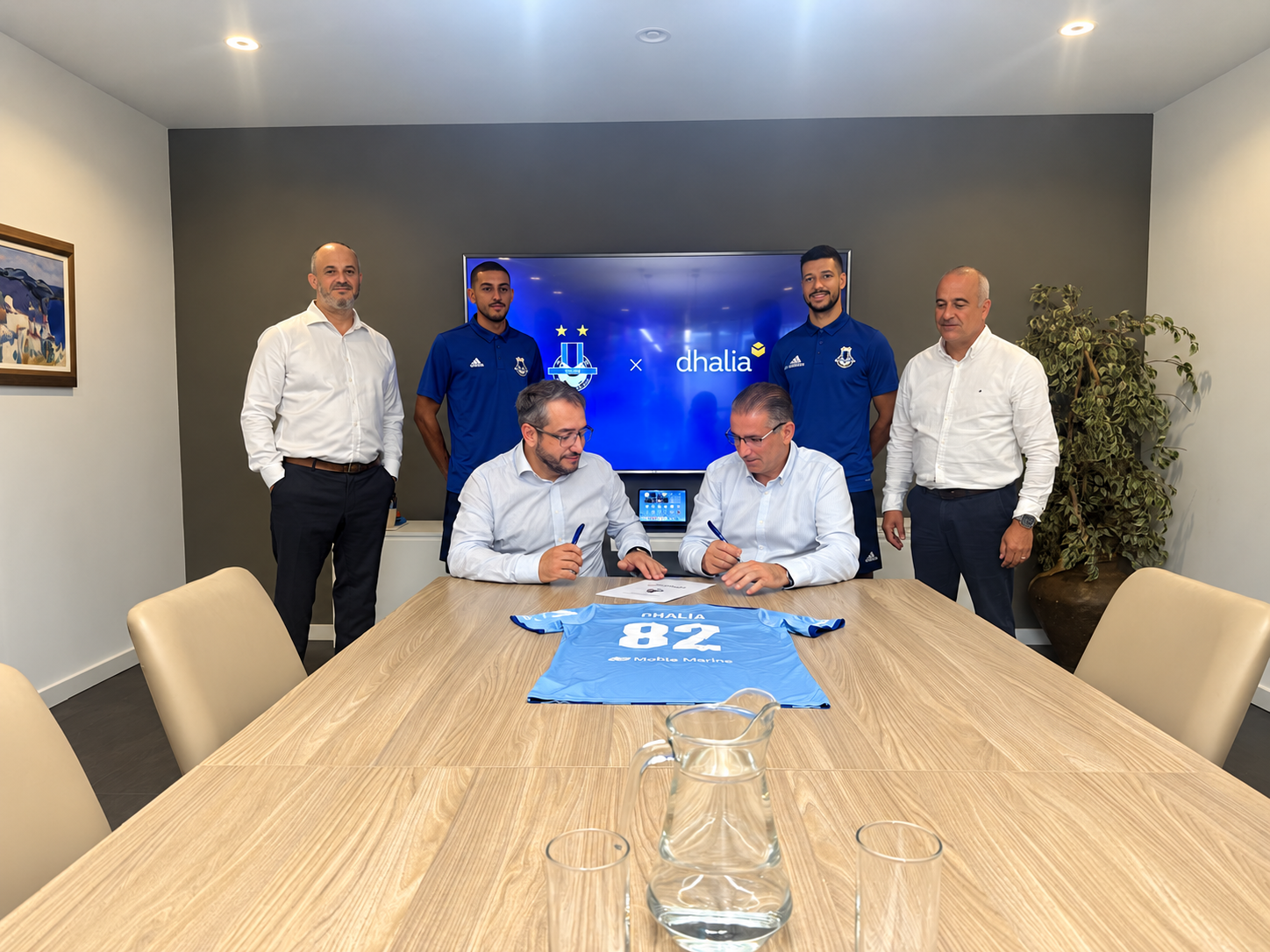
Dhalia Real Estate announces partnership with Sliema Wanderers FC for the 2026/27 season
The collaboration brings together two established Maltese names, each with a longstanding connection to the communities they serve
partnership
Malta-based KTO Group winds down operations following Brazil gaming ban
Founded in Malta in 2018, KTO entered the Brazilian market in 2019

partnership
Neil Chetcuti joins LCKY Group as General Counsel
Before joining Malta-based LCKY Group, Neil Chetcuti was Head of Legal at Sportingtech for over two years

partnership
Curaçao Gaming Regulator cuts ties with firm run by former MGA Chief following data breach
The regulator said licensing, compliance and supervision would continue under interim arrangements