



In a landmark decision, Maltese courts have asserted their jurisdiction over online gaming, dismissing an Austrian case that sought to enforce judgements against Malta-licensed operators.
WH Partners partner Davinia Cutajar and senior associated Jonathan Muscat represented Malta Gaming Authority-licensed operators in the case, which resulted in a big win for Maltese authorities’ autonomy in the space.
Commenting on LinkedIn, Dr Muscat said it was a “proud and significant moment,” and argued that the judgement will “impact numerous cases filed in the Courts of Malta against the gaming industry.”
The case revolved around the segregated gambling and sports betting markets in Austria. While sports betting is more liberally regulated by state laws, gambling, casinos, and lotteries (including online gaming) are subject to a de facto federal monopoly under the federal law on games of chance.
This monopoly has been challenged multiple times for its compliance with EU law, with the Court of Justice of the European Union ruling that it violates Article 56 of the Treaty on the Functioning of the European Union (TFEU), which guarantees the freedom to provide services within the EU.
Despite these rulings, Austrian courts, including the highest court, have upheld the monopoly’s compliance with EU law. In the case in question, Austrian courts even awarded refunds to Austrian players who gambled on Malta-licensed websites, arguing that the lack of these oeprators’ legal right – in their view – to provide services in Austria made the contracts null and void.
Malta-licensed operators, however, maintained their right to operate in Austria and refused to pay the awards.
In a case review by WH Partners, the firm explained that litigation funders bought these player claims and sought to enforce them against the companies in Malta. A litigation funder is a third-party investor who typically covers the costs associated with the litigation, such as legal fees, expert witness fees, and other expenses, with the agreement that they will receive a portion of the damages awarded if the case is successful.
Although a judgement delivered in one EU member state is are automatically recognised and enforceable in other member states, the Malta-licensed operators involved the public policy argument by asserting that Austria’s violation of Article 56 of the TFEU was a clear breach of public policy.
The Maltese court agreed, stating that the Austrian judgments were manifestly contrary to Maltese public policy.
This decision has significant implications for the gambling industry, reinforcing the autonomy of Maltese regulatory authorities and the jurisdiction of Maltese courts over gambling-related matters. It also highlights the importance of the freedom to provide services within the EU, a cornerstone of Maltese law.


Continue Reading
Continue Reading

Malta-based Eeze partners with BetConstruct in global distribution deal
The global deal sees Eeze’s complete product portfolio of slots and live casino titles available across BetConstruct’s operator partners

Regulatory
Malta-based Bet365 operators lose appeal over Swedish gambling breaches
The case concerned the companies’ handling of customers showing signs of excessive or problematic gambling between 2019 and 2022
Regulatory
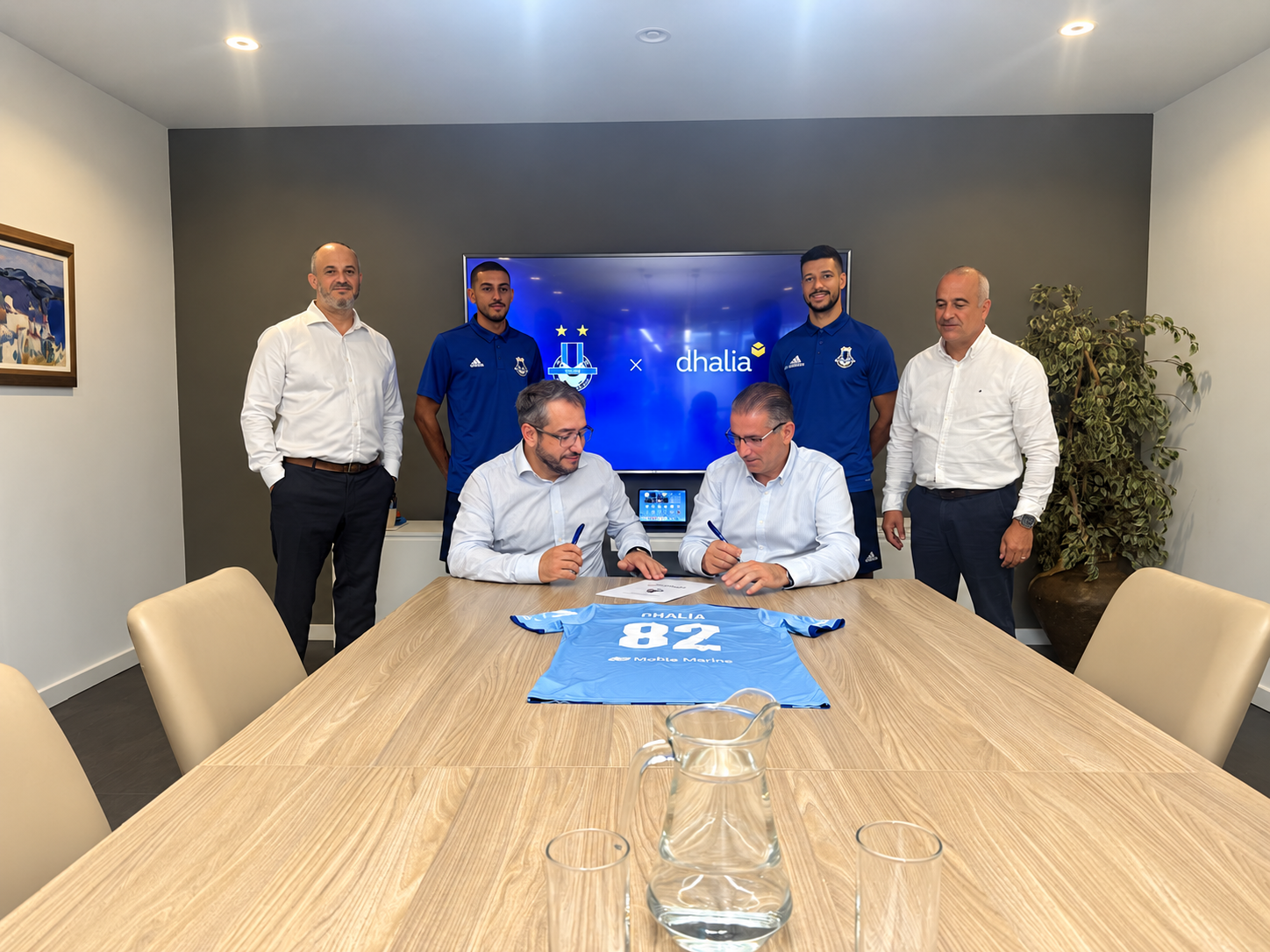
Dhalia Real Estate announces partnership with Sliema Wanderers FC for the 2026/27 season
The collaboration brings together two established Maltese names, each with a longstanding connection to the communities they serve

Regulatory
Malta-based KTO Group winds down operations following Brazil gaming ban
Founded in Malta in 2018, KTO entered the Brazilian market in 2019

Regulatory
Neil Chetcuti joins LCKY Group as General Counsel
Before joining Malta-based LCKY Group, Neil Chetcuti was Head of Legal at Sportingtech for over two years