


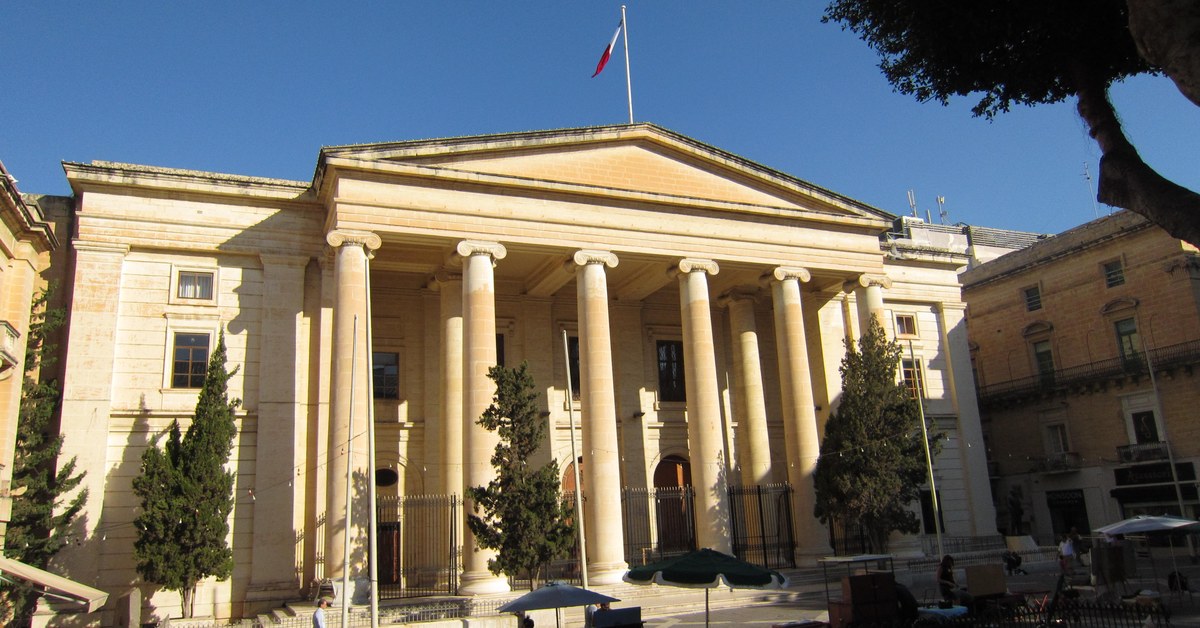
The Malta Gaming Authority (MGA) has suspended the authorisation of Condor Malta Limited, the latest in a series of actions this year against licensees that fell short of their obligations. The suspension took effect on 16th September 2026 and was made public by the Authority on 28th September.
In its official notice, the MGA said the measure was taken under regulation 8(1)(f) of the Gaming Compliance and Enforcement Regulations, on the grounds set out in regulations 9(1)(a), (c), (d) and (m). Condor, which held licence MGA/B2C/340/2016, can no longer carry out gaming operations but must keep player accounts accessible for visibility purposes, and the notice gives no further detail on the circumstances.
Earlier in the year, the Authority revoked the authorisation of Winzon Group Limited under regulation 10(2)(b), with retroactive effect from 11th March 2026. The regulator pointed to “regulatory shortcomings”, and the company was left owing €46,693.23 in outstanding payments to the MGA and €147,080 in administrative penalties. Winzon was also ordered to notify its customers, return player balances to verified account holders and remove every reference to regulatory approval from its platforms.
Betago’s case went further. The MGA cancelled Betago Limited’s licence in January 2024, a year after suspending it, and asked the courts to dissolve the company. By March 2026, Mr Justice Ian Spiteri Bailey had upheld that request and placed Betago into liquidation. Court filings showed €85,000 in unpaid fees owed to the MGA, while more than 20 players had complained that they could not access a combined €24,500.
The distinction between the three outcomes is set out in the MGA’s guiding principles on enforcement measures. A licence is suspended where the problems can still be remedied with action the licensee commits to, and cancelled where the Authority finds systemic issues that cannot be put right in a way that would allow operations to restart.
Suspension and cancellation are not the ceiling, however. The Gaming Act (Chapter 583 of the Laws of Malta) lists criminal offences in its Third Schedule, among them providing a gaming service without a licence and failing to pay players when payment is lawfully due, and those cases go before the courts rather than the regulator.
Under those provisions, according to a guide to online casinos in Malta compiled by OnlineGambling.com, offering, facilitating or marketing unlawful gambling can bring fines of €10,000 to €500,000, while repeat offenders face fines of up to €1 million and up to six years’ imprisonment.
Anti-money laundering breaches are handled by a different body. In late September, Malta’s Financial Intelligence Analysis Unit (FIAU) agreed a €61,607 settlement with European Lotto and Betting Limited, a Malta-licensed bookmaker, after a compliance examination found weaknesses in how the company assessed customer risk and monitored transactions, as iGamingCapital.mt reported. The FIAU’s committee described the breaches as “serious and systematic”, and the original penalty of €94,780 was reduced by 35 per cent under its settlement framework, according to the FIAU’s publication notice.
Condor’s suspension remains open to appeal under Article 43 of the Gaming Act. In the Winzon revocation, the MGA made clear that further legal action could follow if the operator failed to meet its obligations. The Authority has not said whether other licensees are under review.

Continue Reading
Continue Reading

Malta-based Playson appoints Cosmin Tanase as Head of Compliance
Cosmin Tanase has secured the position on a permanent basis

partnership
Owen Baldacchino joins Flutter Entertainment as Head of AML and MLRO
Owen Baldacchino said that this role ‘feels like a pivotal step’ in his career
partnership
Patrick Curmi joins Eeze as Head of Information Technology
In his new role, he will lead the corporate IT and Enterprise Network Engineering teams across Malta, London and Bucharest

partnership
Costas Fitsopoulos joins Betsson Group as Director of HR Operations and Services
‘I look forward to building strong partnerships and helping shape the nest chapter’, he wrote
partnership
Betsson launches in Belgium following betFIRST rebrand
The launch follows the Malta-based Betsson’s expansion across a number of international markets