



iGaming is an international industry, and technology has made it possible to work from almost anywhere. But people still hire people they trust, introduce professionals they know, and it tends to be those informal conversations, whether over coffee, at a business lunch, or on the margins of a networking event, that lead to projects and partnerships that would simply never happen remotely.
It is a reality Yakof Agius knows well. Through his boutique firm, Yakof Agius & Associates, he regularly advises professionals considering what it would mean to make Malta a more permanent part of their professional and personal lives because they know the value of being physically present within the island’s iGaming hub. “Malta’s gaming ecosystem,” he says, “brings operators, suppliers and specialist advisers into regular contact. Living nearby gives you more chances to become part of those conversations.”
For those considering the move, however, the practicalities can be less straightforward. There is no single route to making Malta home. Where you work, how you earn your income, whether you are moving with family and what you hope to do next can all affect which residence or citizenship option is appropriate. So, where does one even begin?
“With every client, we start by looking at the life behind the inquiry,” says Mr Agius. “Where do you work? Who needs to come with you? What would you like the freedom to do next?”
For some, that freedom simply means being able to make Malta home without giving up the career they already have. The Nomad Residence Permit, he explains, can provide a route for eligible third-country nationals working remotely for an overseas employer to live in Malta while continuing their qualifying foreign employment.
“The current minimum gross annual income is €42,000, alongside other requirements,” Mr Agius says, adding that: “You keep the work you already have while getting to know Malta and discover whether something else might develop here. Perhaps nothing changes professionally. You simply discover that you enjoy living here.”
Mr Agius points out that there is, however, an important distinction between being in Malta and working for a Malta-based business. The permit does not allow holders to provide services to Maltese businesses or individuals, including a foreign employer’s Maltese subsidiary.
If a local job offer arrives, he explains, the residence arrangements would need to change accordingly. And once an opportunity becomes a real offer, there is another question to consider for some. Does the move work for the whole family? An international move has to take account of a partner’s commitments, children and school calendars.
For eligible managerial or highly technical roles, the Key Employee Initiative (KEI) provides a fast-track work and residence application process. The current gross annual salary threshold is €45,000, alongside the relevant qualification or experience requirements.
“The Family Members Policy can also form part of that conversation. Qualifying KEI sponsors may request a waiver of the usual 12-month residence waiting period once they have received an Approval in Principle. The financial threshold is €50,000 for the sponsor and one dependant, with an additional amount for each further dependant,” he explains.
“Approval remains an individual process, so a family’s move may still require some planning. Conversely, it also gives the employer a better understanding of what to expect,” he notes.
“When you recruit someone internationally, you’re asking them to move more than their career. Understanding the household’s position can help both sides work out whether an attractive offer is actually workable. In these situations, residence planning can be one of the elements that helps someone make the commitment the business needs.”
For some professionals who have already built a life in Malta, are settled with their family and come to think of the country as home, circumstances might change over the years. They may want to launch their own company, for instance. But if your right to live in Malta depends on your current job, what happens if you leave it?
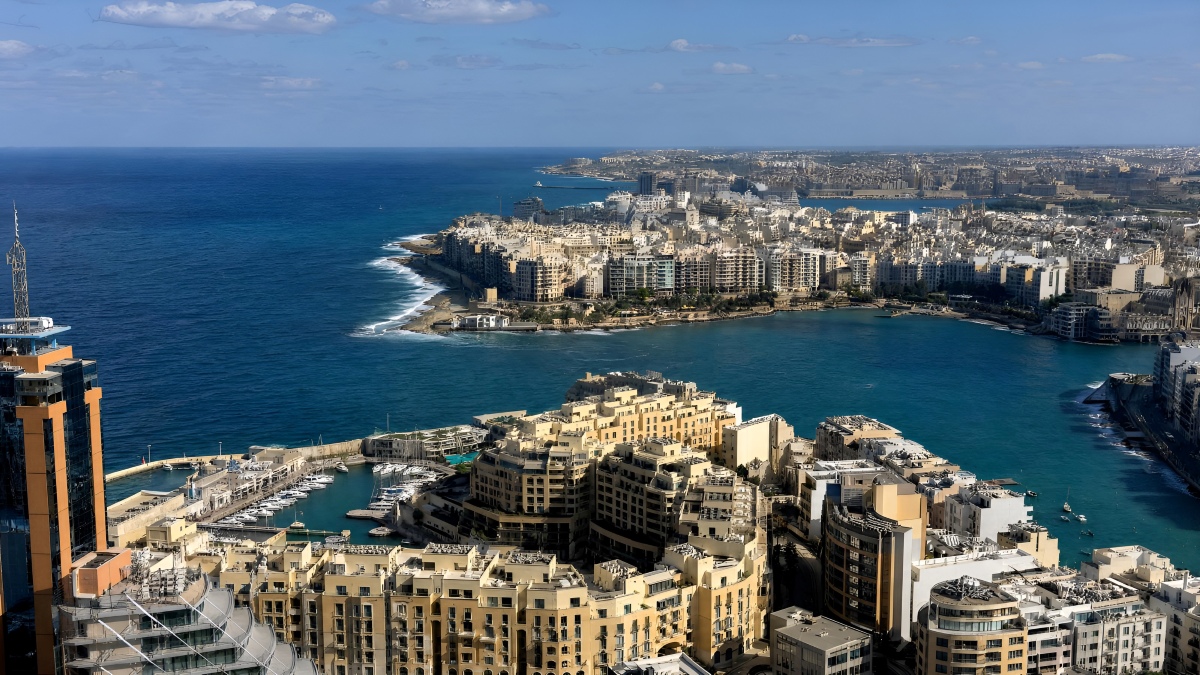
This is where the Malta Permanent Residence Programme (MPRP) can become relevant, Mr Agius says. Available to eligible third-country nationals who are not EU, EEA or Swiss nationals, it provides a residence basis independent of a particular employer. Applicants must meet requirements relating to financial resources, qualifying property, contributions and due diligence, alongside ongoing conditions.
“For a founder, the significance is practical,” he elaborates. “You can plan your family’s residence separately from the fortunes of one employment relationship. The business may change direction while home remains home.”
The MPRP also allows eligible residents to make short visits within the Schengen Area, subject to the ‘90 days in any 180 days’ rule. It does not give unrestricted rights to live or work elsewhere in Europe, and working in Malta still requires the appropriate authorisation.
The question of residence also has to be considered alongside how someone earns their income. As Mr Agius explains, two people with similar earnings can have very different circumstances. One might receive a salary from employment in Malta, while another might derive income from investments or other sources overseas.
“That’s why we start by looking at where the income comes from,” says Mr Agius. “The same level of income does not necessarily mean the same tax position. You have to understand how someone earns their money before you can assess which arrangements may be relevant.”
For individuals receiving qualifying foreign-source income, The Residence Programme (TRP) for EU/EEA/Swiss nationals and the Global Residence Programme (GRP) for third-country nationals may be relevant, subject to their respective conditions. Under the existing framework, qualifying foreign-source income received in Malta is taxed at 15 per cent, subject to a €15,000 annual minimum and other requirements. A Maltese employment salary does not qualify for the foreign-income rate simply by virtue of the individual’s overall earnings.
There is also a significant change on the horizon. “From 1 January 2027, these routes move into Malta’s new Individual Tax Programme framework,” Mr Agius explains. “The 15 per cent rate remains, but the minimum annual tax rises to €35,000, property requirements increase, and special tax status becomes renewable in five-year periods. Existing beneficiaries, together with applications received by 31 December 2026, fall under transitional provisions that preserve the existing framework until 31 December 2031, subject to continued compliance.”
For some professionals, Malta may begin as a place of work, but over time, the relationship can evolve. What starts as a career move can become a longer-term commitment: putting down roots, raising a family and, eventually, considering how to contribute beyond the scope of their own careers.
For Mr Agius, that can lead to questions about citizenship, which is a separate consideration from the residency options. “People need to be realistic about what citizenship by merit means,” he says. “It’s not simply about being successful, earning well or working in iGaming. You have to look honestly at what someone has achieved, what they have contributed and, importantly, what they intend to continue contributing to Malta.”
Residence itself does not guarantee progression to citizenship, he stresses. Nor does professional success or wealth establish an entitlement. “That’s why these conversations need to be approached carefully,” Mr Agius cautions.
“Our role is to understand the person’s circumstances and explain what the different options actually mean, rather than turn an aspiration into a promise.”
For anyone considering their next step, the starting point, Mr Agius notes, is simply a conversation. “Come and talk to us about your plans. We can look at your particular circumstances, explain what may be possible, and help you understand which options are worth exploring.”


Continue Reading
Continue Reading

Beyond the office: Discover Port Gillieru for your corporate festive celebrations
Port Gillieru combines panoramic sea views, exceptional dining and versatile event spaces, offering a distinctive setting for festive lunches, elegant dinners and lively end-of-year celebrations

Regulatory
Joe Portelli appointed Head of Business Control at Hacksaw Gaming
He steps into the role after having spend three years as Head of Finance at the company
Regulatory
iGaming Capital 2027 edition is out – here’s what’s inside
The 2027 edition of Content House's annual iGaming publication asks a hard question of a sector that keeps growing: what happens when the numbers rise, but Europe's doors narrow and the jobs change shape?

Regulatory
Codere Online reports €62.6 million in Q3 revenue as gaming activity grows 30%
Adjusted EBITDA reached €4.2 million
Regulatory
ScatterKings granted license by Malta Gaming Authority
The MGA approval comes just a month after ScatterKings finalised its agreement with Stake