



Kalamba Games has been granted a supplier licence by the Malta Gaming Authority (MGA) as it looks to grow further in regulated markets.

The licence will enable Kalamba Games to expand in numerous jurisdictions and is said to be a testament to the supplier’s commitment to regulated markets.
Kalamba offers a diverse and exciting games portfolio of over 50 titles as well as a set of promotional tools via its BullsEye platform. Features include tournaments, leaderboards, meta games with standard progressive and mystery jackpots, plus a new predictive CRM platform, StarGazer.
The accreditation marks the latest market expansion for Kalamba which recently gained certifications to offer its content to local operators in Croatia, Italy, Portugal, Spain, Sweden and the Netherlands.
The supplier has significantly grown its presence across Europe over the last 12 months and its games can now be found in over 400 operator lobbies.
Steve Cutler, CEO and co-founder at Kalamba, said: “Being granted an MGA licence is an important milestone for us as we continue our growth strategy and bring innovative new content and promotional tools to regulated markets.
"Bullseye, our technology platform is a distinct competitive advantage when addressing the ever-increasing array of regulatory requirements across multiple jurisdictions and licensing frameworks. Supporting our partners with top-notch entertainment for their players continues.”

Continue Reading

Continue Reading

Crypto custody services introduced to Maltese market
The bank’s approach is focused on institutional custody rather than retail crypto-asset custody services

Regulatory
Residence in Malta and the freedom to say ‘yes’
Residence and citizenship advisor Yakof Agius explains how the right residence strategy can give iGaming professionals greater freedom to build their future in Malta

Regulatory
Beyond the office: Discover Port Gillieru for your corporate festive celebrations
Port Gillieru combines panoramic sea views, exceptional dining and versatile event spaces, offering a distinctive setting for festive lunches, elegant dinners and lively end-of-year celebrations

Regulatory
Joe Portelli appointed Head of Business Control at Hacksaw Gaming
He steps into the role after having spend three years as Head of Finance at the company
Regulatory
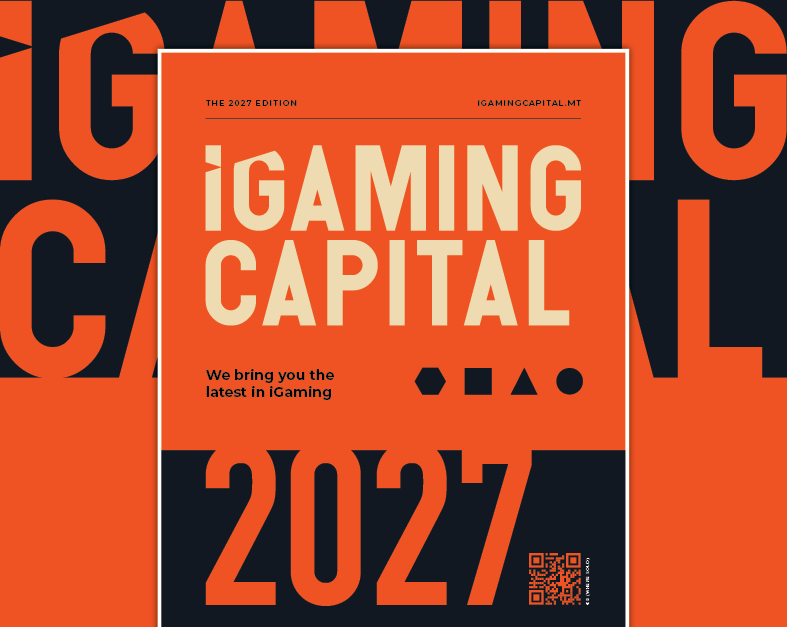
iGaming Capital 2027 edition is out – here’s what’s inside
The 2027 edition of Content House's annual iGaming publication asks a hard question of a sector that keeps growing: what happens when the numbers rise, but Europe's doors narrow and the jobs change shape?