


For over two decades, the relationship between mainstream European banking and the iGaming industry could be characterised, at best, as an uneasy truce. Where operators saw high-volume digital entertainment, growth and compliance, risk-averse legacy credit institutions often saw a homogeneous, high-risk sector best kept at arm’s length.
Yet as licensing regimes tighten, corporate governance matures, and operators scale across borders, that historic disconnect has become increasingly untenable. Operating from the heart of Europe’s gaming hub in Malta, Lidion Bank represents a fundamental shift in how credit institutions engage with the sector.
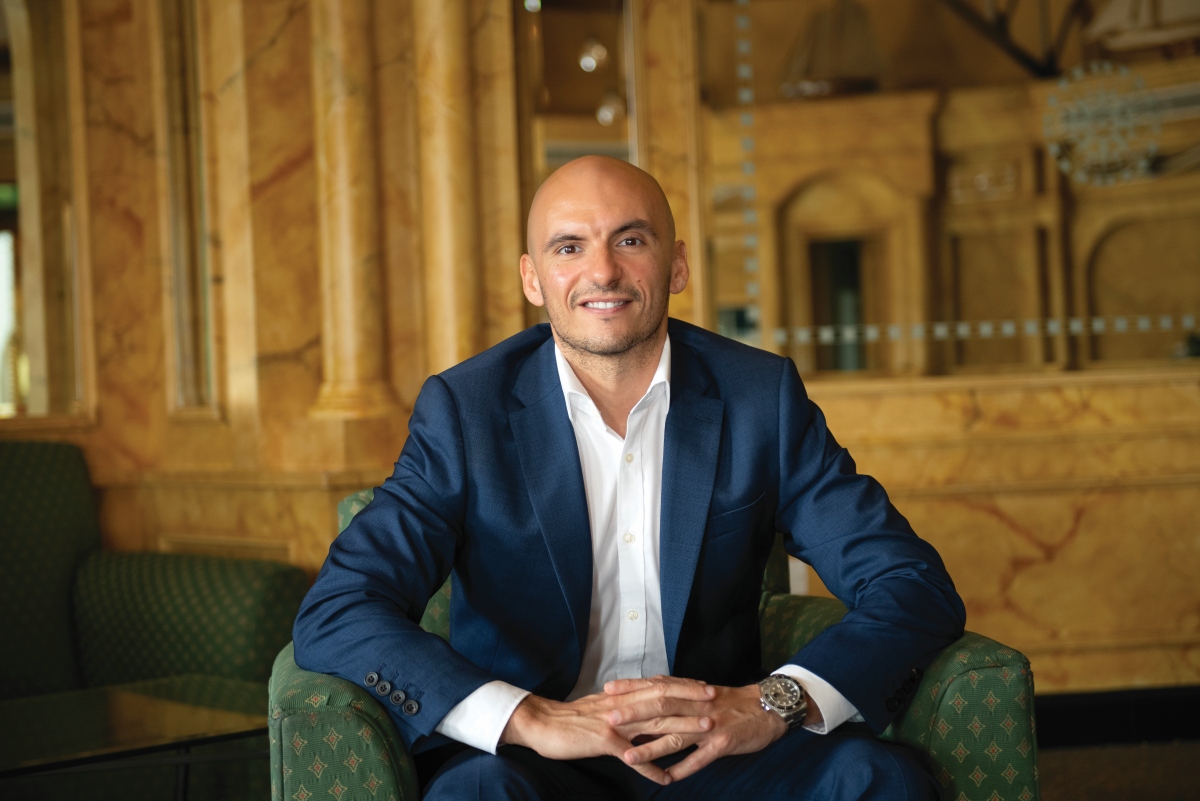
“I think the fundamental change is that the industry has matured, but the way banks assess it has not always matured at the same pace,” Jonathan Bellizzi, the bank’s Chief Executive Officer, observes. Historically treated as a single, inherently high-risk category, the sector, he argues, has transformed through greater regulatory clarity, stronger licensing frameworks, and vastly improved transparency.
Consequently, the binary approach of legacy institutions is no longer fit for purpose. “The right question for a bank is therefore no longer simply, ‘Is this an iGaming company?’ It is, ‘Who is the operator, where is it licensed, how is it governed, which markets does it serve, and how effectively does it manage its risks?’” he states.
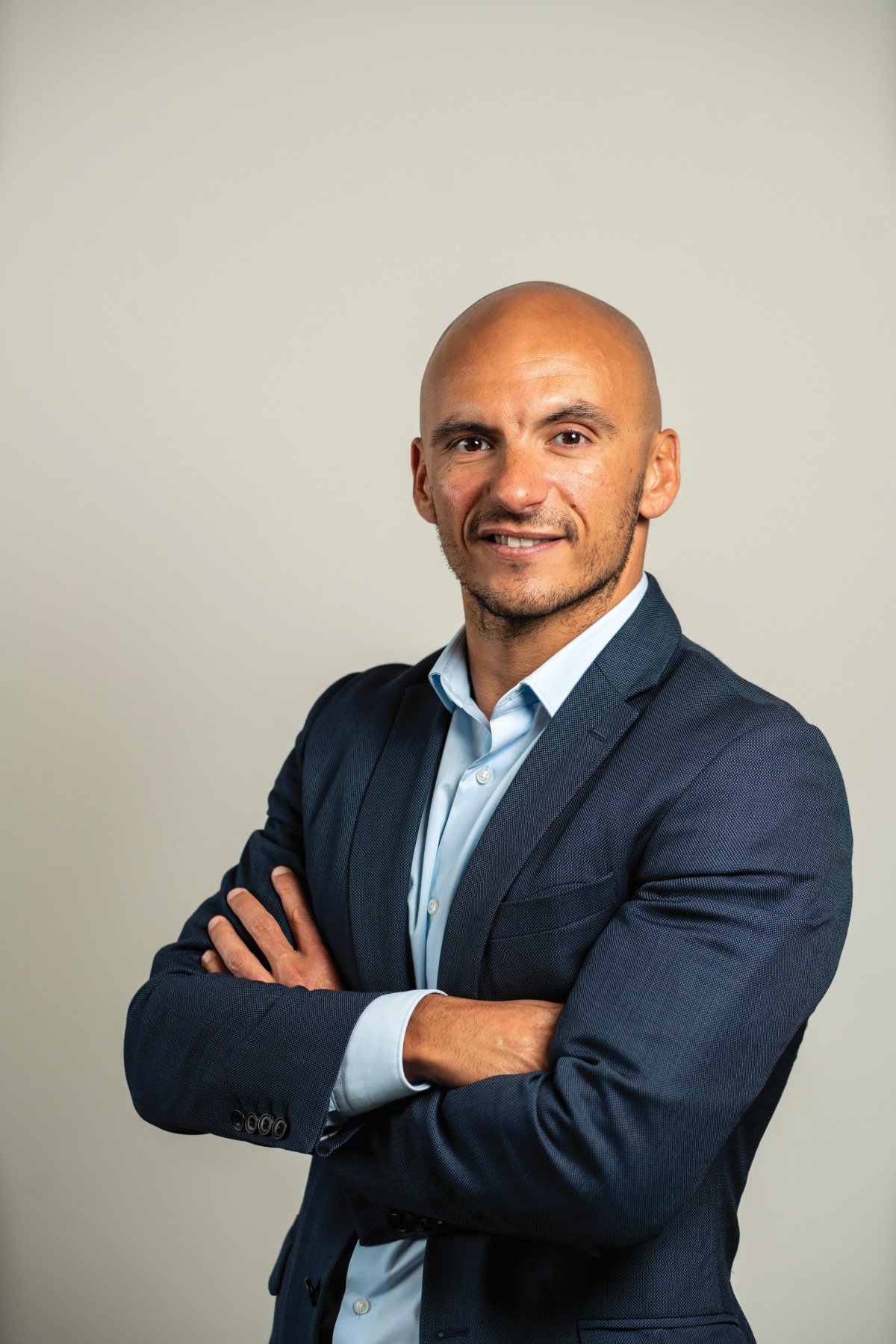
Rather than relying on sector-wide policies, Lidion Bank operates on a client-specific, risk-based model – an approach that demands domain expertise and a willingness to understand an operator’s underlying mechanics. Looking ahead, the CEO envisions a much deeper, more strategic relationship developing across the market. Operators will increasingly turn away from transactional vendors in search of long-term financial partners capable of providing safeguarding solutions, managing liquidity and treasury, and supporting cross-border expansion. In his view, “the banks that invest in understanding the sector will be best positioned to build those relationships.”
While the market is crowded with payment service providers (PSPs) offering point-to-point transaction processing, Jonathan maintains that tier-one operators require a far more comprehensive foundation. A modern digital operator does not simply need money moved from one account to another, he believes; it requires a financial architecture that underpins its entire operational model.
“That includes operational and safeguarding account structures, multi-currency capabilities, competitive foreign exchange, interest-bearing arrangements where appropriate, guarantees, and access to both traditional and instant payment channels,” Jonathan explains. While Lidion provides SEPA Instant, SWIFT, and bespoke clearing arrangements, he stresses that the primary differentiator lies in tailoring these tools around the client.
Crucially, this demands an intimate understanding of the strict segregation between operating funds, player balances, and payment processor flows. While conventional banks may offer standalone products, they frequently struggle to reconcile them with gaming-specific regulations. The differentiator, as the CEO notes, is whether an institution can bring these mechanisms together, understand the regulatory context, and adapt them to an operator’s actual commercial realities.
Meanwhile, in a high-velocity industry like iGaming, speed is also of the essence – yet within banking, speed cannot come at the expense of robust oversight. For the CEO, the traditional model – in which a client submits an application and waits indefinitely without transparency – is fundamentally broken. However, he rejects the idea that compliance and commercial agility must exist in opposition. “Good compliance should make the bank more decisive because it gives us a clearer understanding of the risks we are prepared to take,” he insists.
To achieve this balance, Lidion engages early in the client lifecycle. Before entering full onboarding, the bank assesses the applicant’s ownership structure, licensing footprint, target jurisdictions, product suite, and expected transaction flows. This preliminary filter ensures alignment from the outset.
While the subsequent onboarding process leverages digital identity verification and registry data to eliminate administrative friction, the CEO stresses that technology cannot replace human judgement. Complex corporate structures, adverse findings, or exposure to higher-risk jurisdictions still demand enhanced scrutiny, legal opinions, and bespoke mitigations.
Headquartered in Malta and passported across the EU and EEA, Lidion Bank operates at the confluence of diverging regulatory landscapes. While anti-money laundering (AML) standards are steadily harmonising across the EU, gaming regulation remains predominantly national. This creates a fragmented environment where safeguarding rules, reporting lines, and local payment flows vary substantially from one Member State to the next.
“The full benefits will come when regulatory expectations are not only strong, but also clearer and more consistently interpreted across borders,” Jonathan points out.
At the same time, operators are diversifying their licensing footprints beyond traditional European territories, looking towards high-growth markets such as Latin America. Lidion does monitor these developments, but the CEO maintains a disciplined stance on international expansion.
“The greatest obstacle is rarely technology,” he observes. “It is the interaction between banking regulation, local gaming rules, safeguarding requirements, currency and payment arrangements, and the expectations of local regulators and correspondent banks.” Because a model developed in Malta cannot simply be replicated elsewhere without adjustment, he is adamant that expansion must follow capability and governance: “It should never move faster than the bank’s ability to understand and control the associated risks.”
Having served as the bedrock of European iGaming regulation for more than two decades, Malta maintains a distinct institutional advantage, yet this position cannot be taken for granted. “The biggest risk is complacency,” the CEO warns. With competing jurisdictions vying for market share, regulatory expectations mounting, and skilled labour increasingly mobile, Malta must continue investing heavily in its talent pool, infrastructure, and international credibility. Furthermore, constructive engagement with European institutions and national regulators will be vital to demonstrate that the Maltese framework fosters sustainable, transparent gaming operations.
Addressing the reputational headwinds that occasionally challenge the sector, the CEO advocates for radical transparency over defensiveness. “There are extremely well-governed iGaming businesses, just as there are different risk profiles in every other industry,” he states. “Credibility comes from being able to explain our risk appetite, demonstrate our controls, and show why we are comfortable with a particular relationship. It would be counterproductive to pretend that the sector has no risks. The strength of our position is that we understand those risks and apply proportionate controls.”
And as the financial services sector embraces artificial intelligence (AI), Lidion is deploying machine learning as a decision-support tool – utilising it to optimise internal workflows, identify transactional exceptions, and streamline repetitive administrative tasks.
However, Jonathan draws a sharp line when it comes to ultimate decision-making. “We are very clear that AI does not replace accountability,” he asserts. In areas concerning confidential client data, credit decisions, and AML judgements, human oversight remains non-negotiable. Aligned with frameworks such as DORA, GDPR, and the EU AI Act, his philosophy is clear: “Use AI ambitiously where it can make people more effective, but cautiously where it could make decisions less transparent or put sensitive information at risk.”
Looking ahead to the next decade, the CEO predicts that the defining shift across banking and iGaming will be the convergence of banking rails, gaming platforms, and regulatory reporting into a single, programmable, real-time ecosystem. As reconciliation becomes more automated and compliance more data-driven, the standard for banking excellence will inevitably rise.
Still, the CEO concludes that technology alone will not be the deciding factor. “The winning model will not simply be the bank with the fastest payment rail. It will be the bank that can combine real-time financial capability with strong governance, security, and human accountability. As banking becomes more automated, clients will look for confidence, continuity, and access to people who understand their business and can respond when circumstances become complex. That is the model we are building towards at Lidion Bank, positioning us as the long-term financial partner of choice for our clients.”
This article first appeared in the iGaming Capital 2027 edition. For more information on the iGaming Capital 2027 edition or on www.iGamingCapital.mt, get in touch via email on info@contenthouse.mt or on +356 2132 0713. Additionally, readers can visit the iGaming Capital portal at www.iGamingCapital.mt to stay updated on the latest developments in Malta’s iGaming industry.


Continue Reading
Continue Reading
Malta-headquartered Altenar Secures B2B gambling services licence in Gibraltar
The company has also been officially added to the Gibraltar Gambling Division’s register of licence holders

Regulatory
‘Hybrid working is a must’: GCS Malta Director on Malta’s talent retention challenges
Established in 2017, professional services firm GCS Malta has built a reputation for reliability through its broad range of offerings, spanning accounting, company formation and recruitment

Regulatory
Crypto custody services introduced to Maltese market
The bank’s approach is focused on institutional custody rather than retail crypto-asset custody services

Regulatory
Residence in Malta and the freedom to say ‘yes’
Residence and citizenship advisor Yakof Agius explains how the right residence strategy can give iGaming professionals greater freedom to build their future in Malta