



Sports betting has become a major part of Malta's gaming entertainment landscape, offering fans an engaging way to connect with their favourite sports while potentially earning returns on their predictions. However, the growth of the industry has brought an increased focus on responsible betting practices and player protection. Modern platforms operating under Malta's regulatory framework are pioneering new approaches to ensure that sports betting remains an enjoyable form of entertainment rather than a source of financial harm.
Understanding responsible sports betting
Responsible sports betting begins with understanding the distinction between entertainment and dependency. For most players, placing bets on football matches, tennis tournaments, or other sporting events is a casual activity - a way to add excitement to watching a game. However, the accessibility of online platforms and the ease of placing bets mean that some individuals may develop problematic betting behaviours if appropriate safeguards are not in place.
Responsible sports betting is not about discouraging people from participating; rather, it's about creating an environment where players can make informed decisions and maintain control over their activity. This philosophy underpins Malta's approach to regulating the sports betting industry and guides how modern operators structure their services.
The role of operators in player protection
Leading sports betting platforms recognise that their long-term success depends on the wellbeing of their player base. This has driven significant investment in responsible gaming tools and support mechanisms. These platforms, including those offering football betting in Malta, implement multiple layers of protection designed to identify and assist players who may be at risk of developing problematic betting behaviours.
One of the most fundamental tools is deposit limits. Players can set daily, weekly, or monthly spending caps that prevent them from wagering more than they can afford to lose. These limits are enforced automatically by the platform's systems, ensuring that players maintain control over their finances. Similarly, loss limits allow players to restrict their losses within a set timeframe, providing additional financial safeguards.
Time-out features enable players to take breaks from betting activity. Whether for a few hours, days, or weeks, these tools allow players to step back and reassess their betting habits without losing access to their accounts permanently. For those requiring more comprehensive support, self-exclusion options allow players to completely block themselves from accessing betting platforms for extended periods, ranging from months to years.
Player education and transparency
Modern sports betting platforms prioritise education and transparency. Clear information about odds, probability, and the house edge helps players understand that betting outcomes are uncertain and that losses are a natural part of the activity. Many platforms provide resources explaining how odds work, what different bet types mean, and how to calculate potential returns.
This educational approach extends to problem gambling awareness. Platforms display information about the signs of problem gambling and provide easy access to support resources. Players are encouraged to gamble for entertainment purposes only and to view any money wagered as the cost of that entertainment, similar to the cost of a cinema ticket or a meal out.
Transparency also applies to marketing and promotions. Responsible operators ensure that promotional offers are presented clearly, with realistic terms and conditions that players can easily understand. Bonus offers are framed as entertainment incentives rather than guarantees of profit, and all wagering requirements and restrictions are clearly communicated upfront.
Advanced monitoring and support systems
Behind the scenes, modern sports betting platforms employ sophisticated monitoring systems to identify players showing signs of problematic behaviour. These systems analyse betting patterns, frequency, and stake sizes to flag accounts that may warrant intervention. When a player is identified as potentially at risk, platform staff reach out proactively to offer support and tools.
This might involve a conversation about setting stricter limits, information about support services, or in some cases, a recommendation to use the self-exclusion tool. The approach is compassionate and non-judgmental, recognising that problem gambling is a complex issue that requires support rather than punishment.
Many platforms also partner with external organisations dedicated to problem gambling support. Players can access counseling services, support groups, and other resources without charge. These partnerships ensure that professional help is readily available to anyone who needs it.
Regulatory framework and compliance
Malta's gaming regulator, the Malta Gaming Authority, maintains strict standards for sports betting operators. Licensing requirements include comprehensive responsible gaming policies, staff training on problem gambling recognition, and regular audits to ensure compliance. Operators must demonstrate that they are actively implementing player protection measures and can be held accountable if they fail to meet regulatory standards.
This regulatory oversight creates an environment where responsible betting is not optional but mandatory. It also means that players using licensed platforms can have confidence that their operator is subject to independent scrutiny and must meet high standards for player protection.
The importance of player awareness
While operators bear significant responsibility for player protection, players themselves also play a crucial role in maintaining responsible betting habits. Understanding personal risk factors - such as stress, financial problems, or a family history of gambling - can help individuals recognise when they need to be more cautious or seek support.
Setting personal betting limits before engaging in sports betting, viewing it as entertainment with a cost, and avoiding chasing losses are fundamental principles of responsible betting. Players who feel they are losing control should not hesitate to reach out for help or use the tools available to them.
Creating a sustainable industry
The focus on responsible sports betting serves a broader purpose: ensuring the long-term sustainability and reputation of Malta's gaming industry. Operators who prioritise player protection build stronger relationships with their customers, generate more sustainable revenue, and contribute to a positive perception of the industry.
This creates a virtuous cycle where responsible practices attract ethical, well-capitalised operators; generate regulatory confidence; and ultimately benefit both players and the broader Maltese economy. The industry's commitment to responsible betting demonstrates that commercial success and player wellbeing are not mutually exclusive - they can reinforce each other.
Disclaimer: Always play responsibly. Players must be over 18. Lottoland is licensed by the MGA /B2C/609/2018. For help visit https://www.rgf.org.mt/.


Continue Reading
Continue Reading
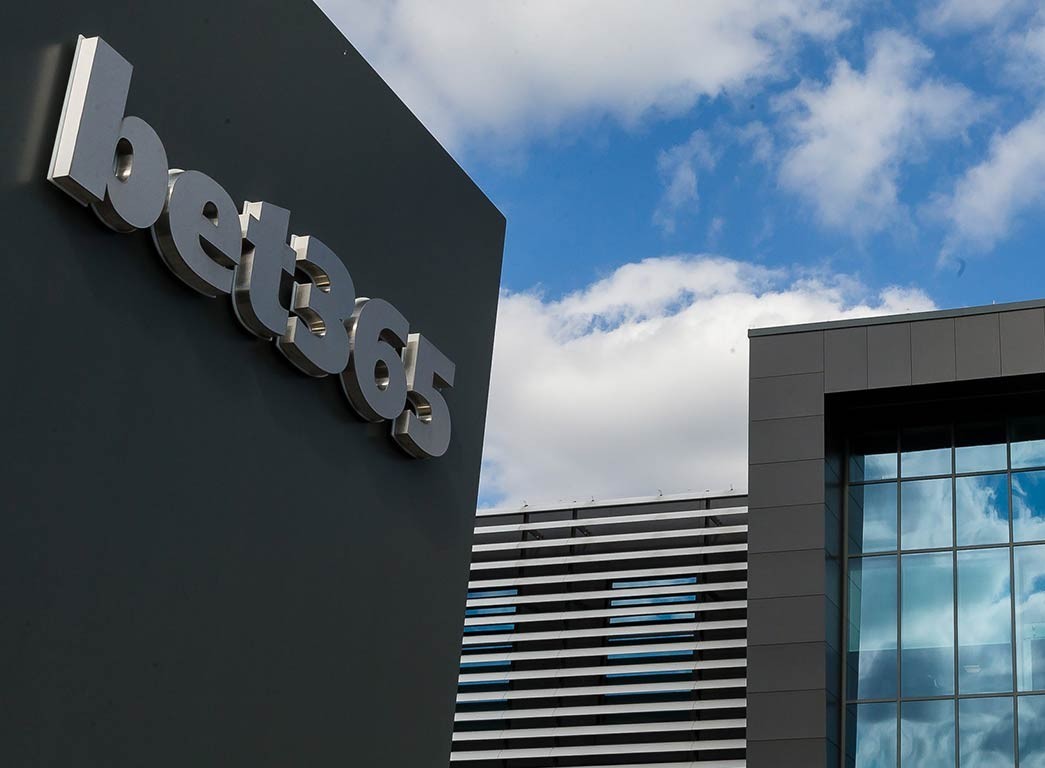
Malta-based Bet365 operators lose appeal over Swedish gambling breaches
The case concerned the companies’ handling of customers showing signs of excessive or problematic gambling between 2019 and 2022

partnership
Dhalia Real Estate announces partnership with Sliema Wanderers FC for the 2026/27 season
The collaboration brings together two established Maltese names, each with a longstanding connection to the communities they serve
partnership
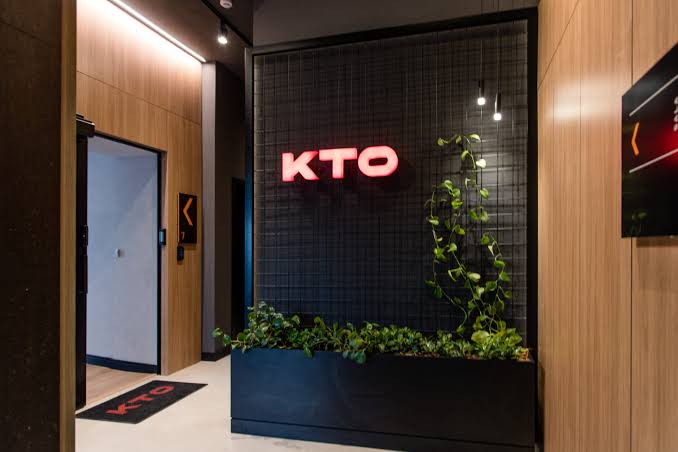
Malta-based KTO Group winds down operations following Brazil gaming ban
Founded in Malta in 2018, KTO entered the Brazilian market in 2019

partnership
Neil Chetcuti joins LCKY Group as General Counsel
Before joining Malta-based LCKY Group, Neil Chetcuti was Head of Legal at Sportingtech for over two years

partnership
Curaçao Gaming Regulator cuts ties with firm run by former MGA Chief following data breach
The regulator said licensing, compliance and supervision would continue under interim arrangements