


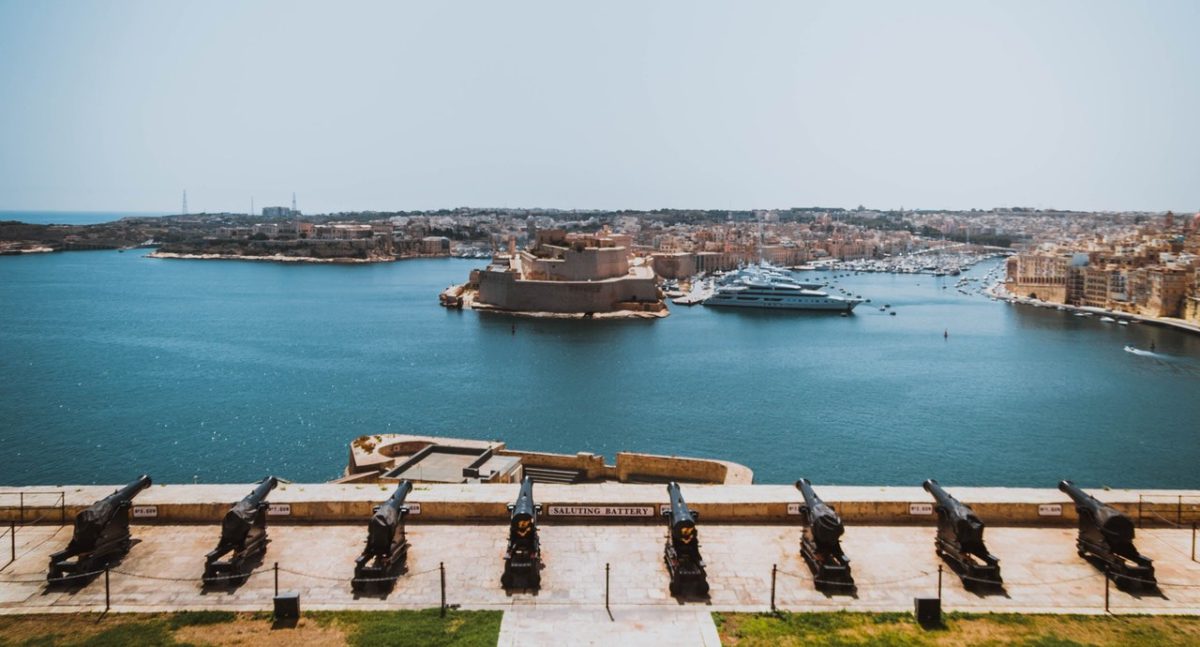
Since Malta's establishment as a world Capital of iGaming, becoming the first EU country to launch remote gaming regulations in 2004, the industry has evolved almost immeasurably, but the country's jurisdiction has remained at its bleeding edge.
Setting up in Malta remains appealing. According to a recent survey, Malta's gambling jurisdiction is second only to the UK's in terms of its regulatory landscape, fiscal outlook and integrity – an especially significant point considering Malta's size, and that it is, therefore, the best in the European Union.
Aside from the strong regulatory atmosphere, Malta has thrived at providing a ripe landscape for the setting up of new iGaming companies, introducing a knock-on effect where it has attracted a number of promising companies providing auxiliary services, thus making the landscape even more attractive and beginning the cycle again.

Taking to social media, Jurgen Zammit of Malta Enterprise, which is the organisation tasked with fostering business growth and establishment in Malta, delved into how this has helped the country position as a "key innovation hub for the sector".
According to Mr Zammit, a start-up and creative culture is being channelled into a vast array of products and services such as "analytical tools, game development, fantasy sports and esports".
Aside from these, local companies are developing products in areas such as virtual and augmented reality, cloud platforms based on artificial intelligence as well as new and innovative payment forms, he explains.
"Technology and service innovation go hand-in-hand, and the island is carving out a niche for services that are not on offer in other iGaming jurisdictions: Malta can be a disaster recovery site, a base for payment companies and back office activities", he added.
In the future, Mr Zammit believes "there is a strong case" that this trend will continue, benefitting the islands. "Malta's success as an iGaming hub is also having the knock-on effect of enticing other industries into establishing a presence of their own", he has found.
Despite the strengths of the sector, as identified by Mr Zammit, lingering concerns will remain about its long-term prospects.
Notably, the skills shortage affecting the wider iGaming industry could become increasingly pronounced in a country so reliant on imported labour, making it more difficult for operators to secure essential staff.
There is also a concern that the jurisdiction's regulatory framework could be made less attractive due to changing international legislative developments.
For example, the country may soon be forced to drop its veto of an EU law that would force sports betting operators to get licensed in every individual country they serve customers in. As things stand, Malta-licensed sports betting companies do not need additional licenses to operate in other EU countries.


Continue Reading
Continue Reading
Malta-based Bet365 operators lose appeal over Swedish gambling breaches
The case concerned the companies’ handling of customers showing signs of excessive or problematic gambling between 2019 and 2022
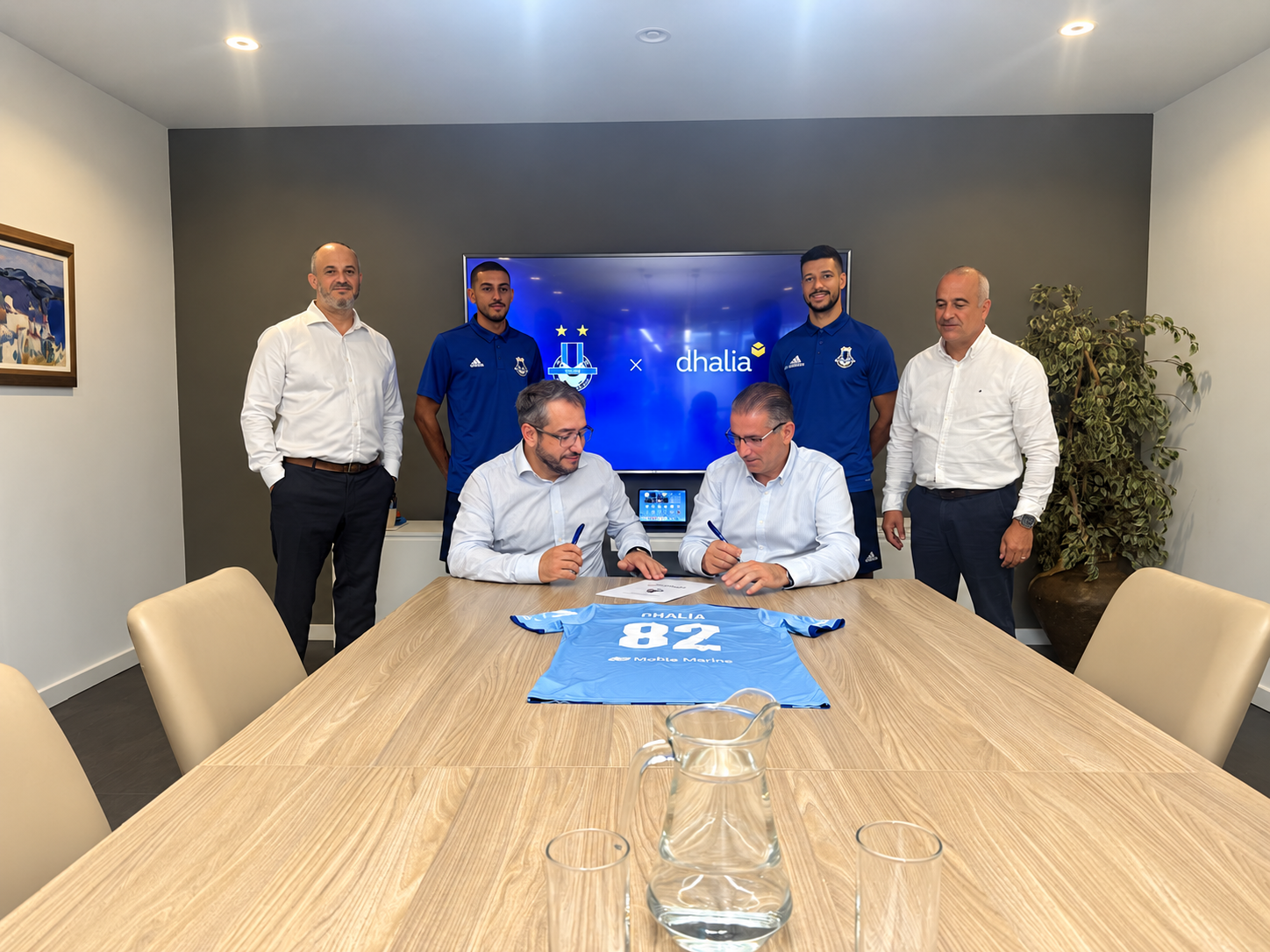
partnership
Dhalia Real Estate announces partnership with Sliema Wanderers FC for the 2026/27 season
The collaboration brings together two established Maltese names, each with a longstanding connection to the communities they serve
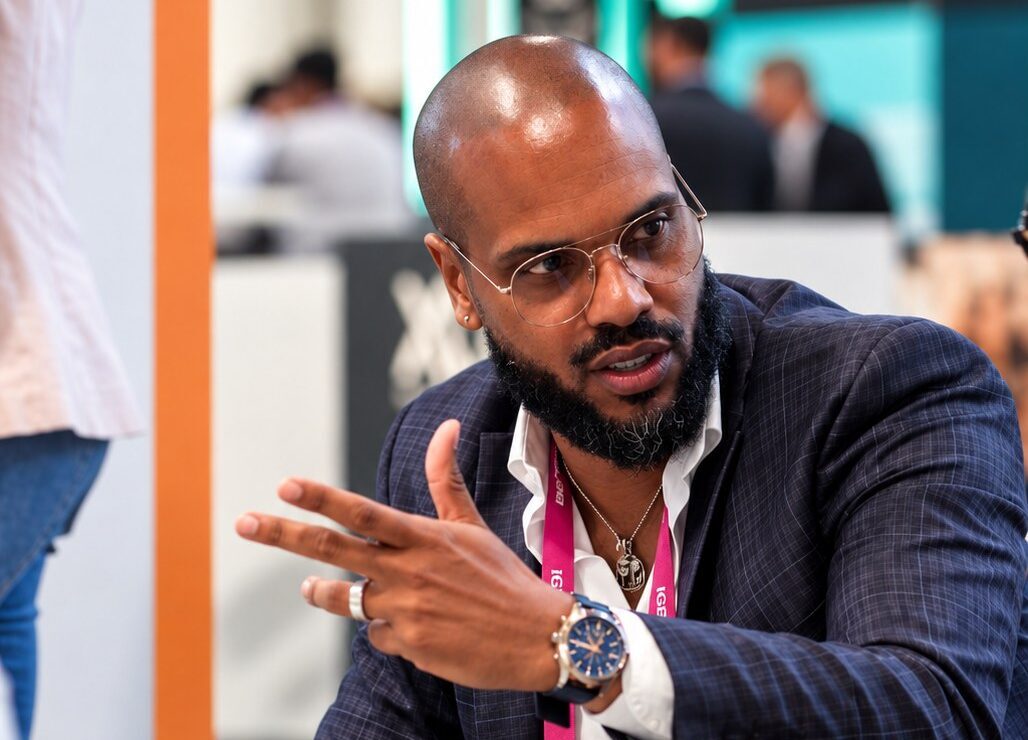
partnership
DeGaming appoints Édi Varela as Commercial Director following rebrand
He brings more than a decade of experience across
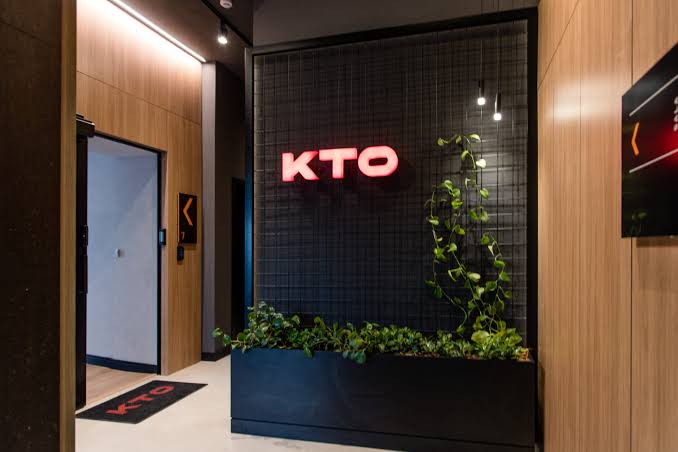
partnership
Malta-based KTO Group winds down operations following Brazil gaming ban
Founded in Malta in 2018, KTO entered the Brazilian market in 2019

partnership
Neil Chetcuti joins LCKY Group as General Counsel
Before joining Malta-based LCKY Group, Neil Chetcuti was Head of Legal at Sportingtech for over two years